
Roofing · Google Ads Case Study
Higher-intentGoogle Ads built forroofing quote demand.
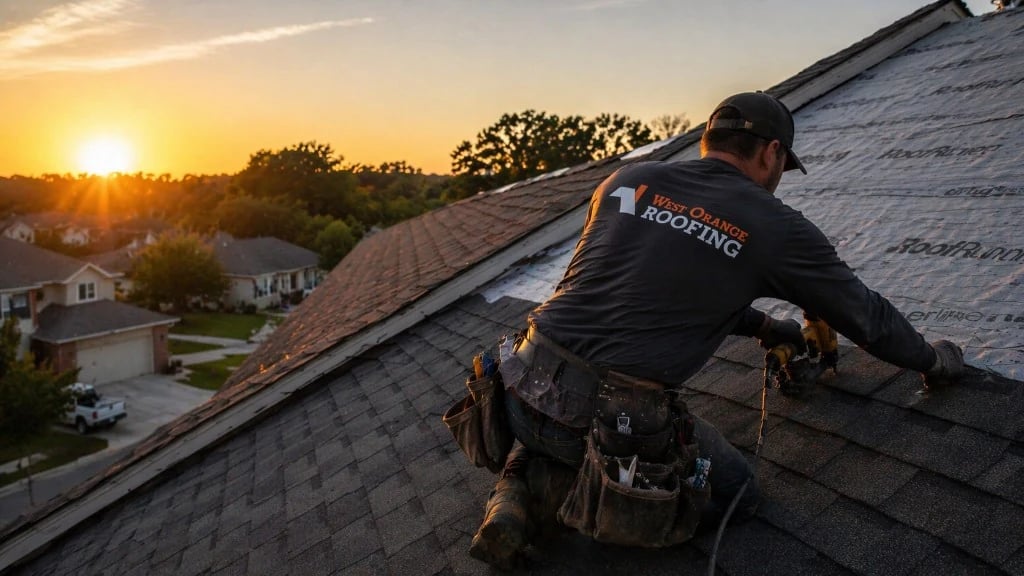
Paid search was rebuilt around replacement, storm, and higher-intent roofing demand so budget moved away from weaker clicks and toward stronger estimate opportunities.
- Leads86186+116%
- CPL$71$49-31%
- Close rate17%24%+7 pts
02The demand problem
Not every roofing searchrepresented the samebusiness opportunity.
Repair, replacement, and storm demand were competing inside the same acquisition system. Broad structure blurred those distinctions — so spend could buy activity without producing the strongest estimate opportunities.
Repair queries carry different economics and urgency. Replacement signals another buying stage. Storm demand often needs different message timing. Treating “roofing” as one category made those differences hard to manage.
Different intent
Higher-intent quote demand
- 01RepairDifferent urgency and economics.
- 02Storm / DamageTime-sensitive inspection intent.
- 03ReplacementHigher project consideration.
- 04Quote / EstimateStronger sales-ready evaluation intent.
Lower / different intent
- Roof repair
- Small repair / patch-focused searches
- Informational or exploratory queries
- Weak geographic fit
Higher-intent quote demand
- Roof replacement
- Storm damage inspection
- Roof estimate / quote requests
- Ready-to-quote local homeowner searches
- Insurance-related evaluation where appropriate
03Search Intent Architecture
The account was rebuilt aroundwhat the homeowner wasactually trying to solve.
Instead of treating “roofing” as one keyword category, Google Ads themes were organized around meaningful buying intent so message, landing experience, and follow-up could stay aligned.

- Roof replacementHigh-value project consideration
- Storm / damageTime-sensitive inspection intent
- Roof repairRepair-focused intent
- Local estimate intentQuote-ready evaluation
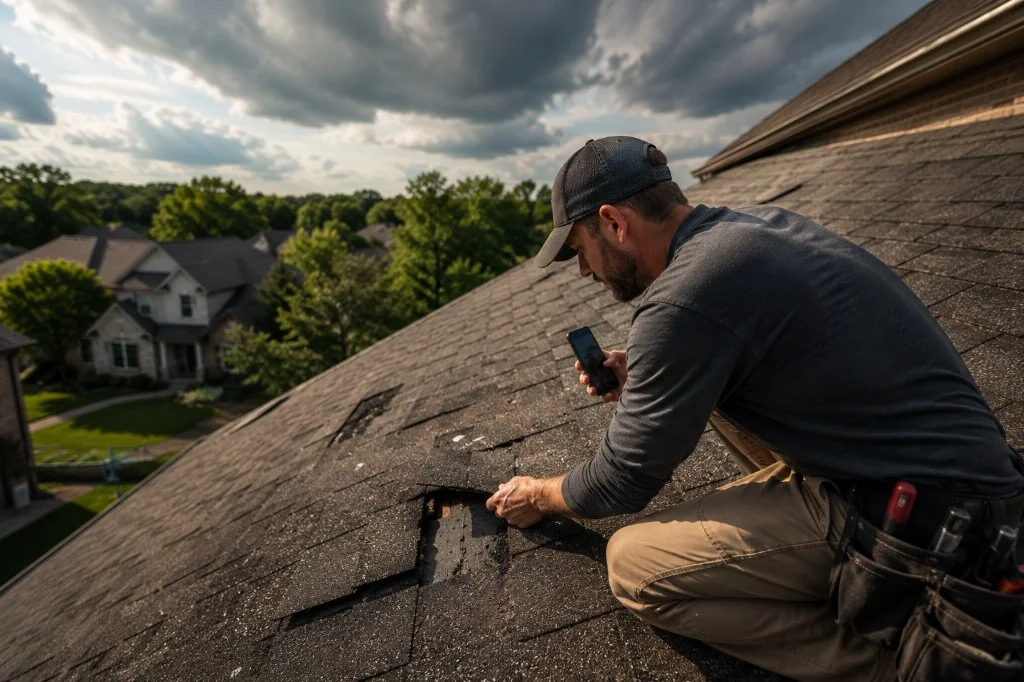
Portfolio visual — roofing demand context, not a verified client property.
Roof replacement
High-value replacement intent — homeowners evaluating a full or major roofing project.
Strategic path
Storm / damage
Inspection and post-storm demand that needs timely, specific messaging.
Roof repair
Repair-specific intent handled separately so it does not dilute replacement and estimate themes.
Local estimate intent
Quote, estimate, and contractor searches from homeowners closer to requesting an on-site evaluation.
- 01Search queryWhat the homeowner typed
- 02Intent categoryReplacement, storm, repair, estimate
- 03Ad messageCopy matched to that problem
- 04Landing experiencePage path for that intent
- 05Estimate opportunityStronger quote-ready demand
04Acquisition System
The campaign only worked whensearch, message, page, andmeasurement worked together.
Media buying alone could not fix mixed intent. The system connected how demand was bought, how it was messaged, where clicks landed, and how lead quality was judged.
- Search
- Message
- Page
- Measurement
- Quality Leads
Intent-led Google Search
Search themes separated repair, replacement, storm, and estimate intent so budget could follow clearer demand signals.
Service-specific messaging
Ad copy spoke to the homeowner’s problem — replacement, inspection, or repair — instead of a generic roofing pitch.
Higher-converting landing experience
The post-click path emphasized local trust, service fit, and a clear route to an estimate request.
Conversion / call tracking
Meaningful actions were instrumented so paid search could be judged beyond surface form volume.
Lead-quality feedback
Close-rate movement and estimate quality informed which intent deserved more budget — not clicks alone.
05Landing Experience
Higher-intent trafficneeded a faster pathto an estimate.
The previous path made it harder for ready homeowners to become estimate opportunities: generic messaging, buried trust, unnecessary friction, and a weak connection between search intent and the primary CTA.
The rebuilt landing experience followed a simpler logic: match the search, establish local trust, clarify service fit, then make the estimate request obvious — especially on mobile.
- 01Search intentWhat brought the click
- 02Roofing-specific messagePage language matched the query
- 03Local trustProof before the ask
- 04Clear service fitReplacement, storm, or repair context
- 05Estimate requestOne primary conversion direction

Portfolio concept — representative landing experience, not a verified client screenshot.
Conceptual mobile landing page showing a roofing estimate CTA, service paths for replacement, storm inspection, and repair, plus qualitative trust architecture labels.
Message match
The landing page reflected the roofing service the homeowner searched.
Trust before the ask
Relevant proof and local roofing context reduced hesitation before the form or call.
Clear estimate path
One primary conversion direction — request an estimate — instead of competing asks.
Mobile friction reduction
Calling and requesting an estimate stayed easy on phone-sized screens.
Qualification without bloat
Capture enough service-fit detail without turning the form into a barrier.
06Measurement & Lead Quality
A cheaper lead onlymattered if it becamea better roofingopportunity.
Basic form fills do not tell the whole story. Measurement needed to distinguish activity from estimate-worthy demand — and connect paid search to sales outcomes the team could trust.
Reported close-rate movement
from 17% · vs. previous period
Reported movement — not weekly trend data
- 01ClickPaid search visit
- 02LeadForm or call conversion
- 03Estimate opportunityService-fit / quote-ready signal
- 04Sales conversationTeam follow-up quality
- 05Closed opportunityReported close-rate movement
Conversion tracking and lead-quality signals made it possible to judge whether lower CPL was buying better opportunities — not just cheaper volume. Reported close rate moved from 17% to 24% (+7 pts) during the engagement. This is why the case is not framed as “more leads only.”
Lead quantity improved, acquisition cost declined, and the reported downstream quality signal moved in the right direction. That gave the team a stronger basis for evaluating which roofing intent themes deserved more budget — without treating form fills as the full story.
Results vary by market, seasonality, budget, offer, sales process, competition, and service mix. This case study reflects reported outcomes for this engagement, not guaranteed results.
07Reported Movement · 90 days
More lead volume.Lower acquisition cost.Better close-rate movement.
Lead volume increased while CPL declined, and reported close rate moved upward during the engagement.
Reported case-study movement — not a guarantee of future performance.
Results vary by market, budget, offer, sales process, competition, and execution.
Reported case-study movement over 90 days: leads increased from 86 to 186, CPL declined from $71 to $49, and reported close rate increased from 17% to 24%.
Directional visualization of reported movement — not weekly trend data.
86186
+116%$71$49
-31%17%24%
+7 pts- 01ClickPaid search visit
- 02LeadForm or call conversion
- 03Estimate opportunityService-fit / quote-ready signal
- 04Sales conversationTeam follow-up quality
- 05Closed opportunityReported close-rate movement
08Strategic Takeaway
The goal was not more roofing clicks.The goal was more valuable roofing demand.
Better paid roofing acquisition in competitive markets like Orlando came from buying the right intent — then matching message, landing path, and measurement to that demand — not from simply increasing traffic.
Economics improved when intent became clearer, message matched the search, the landing experience reduced friction, and tracking surfaced better business signals for the sales team.
- 01Right intentCaptured higher-value roofing search demand that actually needed the service.
- 02Right messageSpoke to the homeowner’s problem with clarity and relevance.
- 03Right quote pathReduced friction and made it easier to request the right type of estimate.
- 04Better sales opportunityMore aligned opportunities reached the sales team.
09Next Step
Need a stronger paid acquisition system for your local service business?
We’ll review search demand, Google Ads structure, landing experience, tracking, and lead quality to identify where acquisition is losing efficiency.
- Strategy-first approach
- Find inefficiencies
- Built around economics
- No performance promises
What we’ll look at
- Demand analysisSearch terms and intent driving real opportunities.
- Account auditStructure, targeting, and ad strategy for efficiency leaks.
- Landing experienceFriction points that reduce conversion quality.
- Tracking & lead qualityBusiness signals — not vanity metrics.
Strategy-first. No performance guarantees. Built around your actual market and economics.