
Whole-Home Remodelers
Multi-room and full-home renovation firms that need marketing aligned to long consideration cycles, portfolio proof, and consultation-first conversion paths.
Remodeling Marketing
FuelLabs builds growth systems for whole-home remodelers, kitchen & bath specialists, and design-build firms that need more qualified estimates, stronger proposal attribution, and signed renovation projects — with reporting tied to cost-per-qualified-estimate, not purchased marketplace leads.
Remodeling Pipeline Dashboard
Illustrative · Multi-Crew Remodeling Firm
Sample dashboard for a remodeling company tracking consultation quality, proposal progression, and attributed signed-project value by channel.
TOOLS WE USE






WHO THIS IS FOR
For remodeling business owners who want fewer referral swings and more qualified consultations, design discussions, and signed renovation projects tied to real project profitability.
Multi-room and full-home renovation firms that need marketing aligned to long consideration cycles, portfolio proof, and consultation-first conversion paths.
Remodelers focused on cabinetry, countertops, and bath transformations who benefit from separate campaigns, landing pages, and gallery sections for each room type.
Companies combining architecture, design, and construction that need consultation-first messaging, renderings, and proof built for design-driven buyers.
Owner-operators adding production teams who need predictable consultation volume without over-relying on referrals or shared-lead marketplaces.

INDUSTRY REALITY
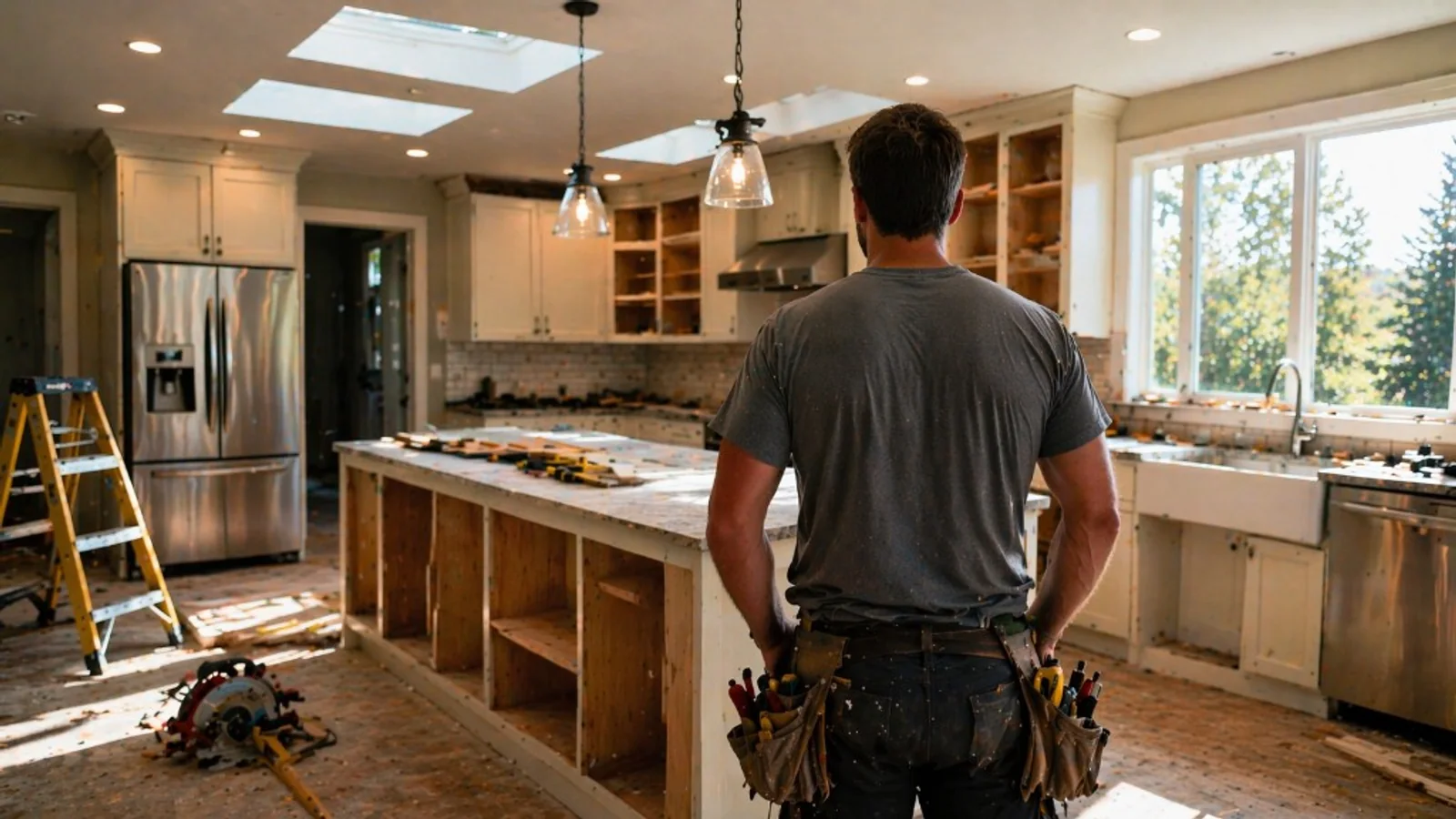
Remodeling buyers research portfolios on Houzz, Pinterest, and Google for weeks before requesting a consultation. Your system must support visual proof, trust signals, financing conversations, and proposal follow-up — not dispatch-speed language built for HVAC or plumbing.
Before-and-after galleries, material detail shots, and Houzz profile depth influence who gets the consultation request — long before price is discussed.
Homeowners compare 3–5 remodelers over weeks: inspiration browsing, reviews, in-home visits, design discussions, proposals, and financing before signing.
Kitchen, bath, and whole-home terms attract expensive clicks. Campaigns must filter DIY researchers and low-fit inquiries before estimators invest site-visit time.
Specialist kitchen & bath SERPs behave differently from whole-home remodel searches. Messaging, landing pages, and portfolio sections should reflect that split.
Firms selling design plus construction need consultation-first funnels, renderings, and proof that standard remodeler templates rarely address.
Houzz Pro, HomeAdvisor, and BuildZoom can supplement volume, but owned SEO, GBP, website, CRM, and reviews build the brand equity that compounds over years.
GROWTH BLOCKERS
Most remodeling marketing fails when referrals plateau, portfolios under-convert, and proposal follow-up disappears during multi-week bid comparisons — leaking high-ticket projects you already paid to attract.
Word-of-mouth built the business, but feast-or-famine cycles cap growth when neighborhoods shift or seasonality slows new project inquiries.
Broad remodeling PPC attracts DIY researchers and low-budget inquiries while high-CPC kitchen, bath, and whole-home terms drain budget without consultation quality.
Pretty portfolios without consultation paths, financing clarity, or project-type segmentation let researchers admire work without requesting an estimate.
Thin before-and-after galleries, outdated project photography, and underdeveloped Houzz or Google profiles reduce shortlist rates against design-forward competitors.
One generic remodeling page blends room-specific search intent, showroom buyers, and design-build consultations — hurting message match and estimator efficiency.
Multi-week consideration windows mean leads go cold when consultation notes, proposal delivery, and financing conversations lack structured tracking from inquiry to signed contract.

THE SYSTEM
Every channel connects from first portfolio search through signed renovation — so SEO, paid media, Houzz presence, website conversion, CRM, and review generation reinforce one attributable pipeline.
Homeowners search kitchen, bath, whole-home, and design-build remodel terms — often starting on Google, Houzz, Pinterest, or Instagram.
Buyers evaluate before-and-after galleries, material finishes, and design style before shortlisting remodelers for a consultation.
Google, Houzz, and Yelp reviews plus local map presence determine who earns the first conversation request.
Qualified homeowners submit consultation or estimate requests through intent-matched landing pages with project-scope qualification.
Designers or estimators capture scope, preferences, and budget fit on site — with CRM notes tied to the marketing source.
Renderings, material selections, and design-build presentations move the buyer from interest toward a formal proposal.
Proposal delivery, financing options, and structured follow-up sequences are tracked to reduce drop-off during bid comparison.
Won projects are attributed to channels and campaigns so budget reflects actual signed-project value, not vanity form fills.
Completed transformations become portfolio fuel — feeding Houzz, GBP, social, and future campaign creative.
Post-project reviews and referral prompts compound local trust, reducing cost per qualified consultation over time.
This workflow replaces emergency-service thinking with consultation-first acquisition — when owned channels share one CRM layer, you see marketing ROI from portfolio view to signed renovation.
Kitchen, bath, whole-home, and design-build funnels pre-qualify project scope before estimators invest in-home visit time.
Reporting ties channels to consultation quality, proposal rate, and signed-project value — not raw lead volume from marketplaces.
CRM nurture and proposal tracking recover revenue during multi-week comparison cycles when homeowners are still deciding between bids.
AUDIENCE SEGMENTATION
Remodeling growth gets more predictable when room-specific specialists and design-build firms are marketed, measured, and followed up as distinct audiences — with clear service-line pages and campaign segmentation when the audience or project type has distinct search intent.
Specialist remodelers competing in near-identical kitchen and bathroom SERPs need separate landing pages, portfolio sections, ad groups, and showroom-aware messaging. Buyers research cabinetry, countertops, tile, and fixtures over weeks — often comparing Houzz galleries before booking a consultation.
Architecture-plus-construction firms sell a longer, consultation-first journey with larger budgets, renderings, and design presentations. Marketing must highlight design credentials, permitting awareness, and whole-project accountability — not room-only remodel templates built for standard contractors.
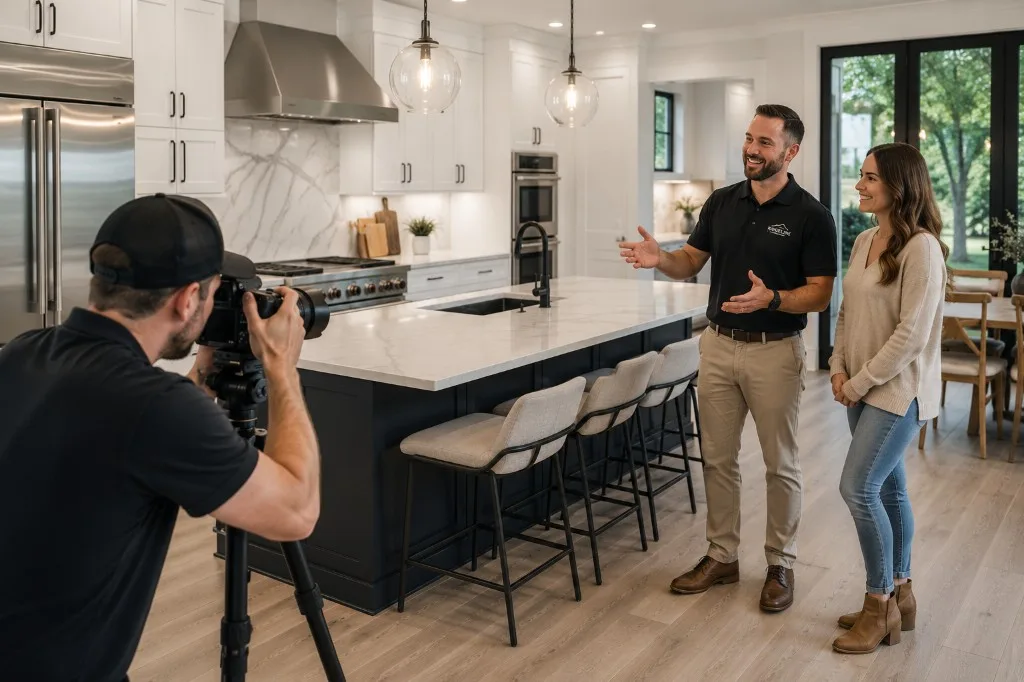
Project photography, Houzz updates, Google Business Profile posts, and review requests after construction turn finished work into compounding marketing assets — not just satisfied clients.
REMODELING MARKETING SERVICES
Each service supports qualified consultations, proposals, and signed projects with stage-based tracking across those milestones.
Capture high-intent kitchen, bath, whole-home, and addition searches with segmented campaign architecture built for high-CPC remodeling keywords and consultation qualification.
Grow organic visibility for room-specific and location-based remodeling searches through technical SEO, project content, and service-area architecture.
Increase map visibility and remodeling-specific trust with Google Business Profile depth, Houzz portfolio strategy, review systems, and project photography.
Build conversion-focused remodeling sites with before-and-after galleries, room-specific landing pages, financing clarity, and consultation-first CTAs.
Re-engage portfolio visitors and long-cycle remodel researchers with proof-led creative, consultation offers, and nurture sequences across Meta platforms.
Automate consultation routing, proposal delivery tracking, and multi-touch follow-up so no qualified remodel inquiry fades during bid comparison.
Structured Google and Houzz review generation after project photography — strengthening map pack CTR and portfolio credibility for future consultations.
Strengthen entity signals and structured content so your remodeling brand surfaces accurately when homeowners ask AI assistants for remodeler recommendations.
WHY FUELLABS
We build consultation-first growth systems around how homeowners actually choose remodelers — portfolio research, Houzz comparison, proposal evaluation, and financing — not generic contractor templates.
We separate kitchen & bath, whole-home, addition, and design-build demand with dedicated pages, campaigns, and follow-up — without diluting primary remodeling intent.
Before-and-after galleries, Houzz integration, and project photography are built into the funnel — because visual proof closes remodeling consultations.
Dashboards track cost per qualified estimate, proposal-to-contract rate, and attributed pipeline value by channel — not marketplace lead counts you do not control.
We address high-ticket objections with honest financing messaging and CRM nurture built for multi-week bid comparison windows.
Entity signals and structured answers position your remodeling brand for AI-assisted discovery — with explainable methodology, not hype.
We build campaigns around how remodelers actually sell — portfolio proof, room-specific demand, Houzz visibility, and consultation-to-proposal follow-up — instead of generic contractor templates.
OUR PROCESS
A seven-step process connecting consultation demand, portfolio conversion, and proposal follow-through for whole-home, kitchen & bath, and design-build remodelers.
We map your service mix, kitchen/bath vs whole-home split, design-build positioning, target markets, close rates, and current pipeline constraints.
We audit local remodeling SERPs, Houzz presence, paid competition, portfolio gaps, and consultation conversion paths in your service areas.
Demand is structured by room type, project scope, and business model so campaigns align with consultation quality and margin goals.
Conversion tracking, room-specific landing pages, portfolio assets, Houzz/GBP optimization, and CRM routing are configured before scaling spend.
Paid, organic, and reputation initiatives deploy in coordinated phases to protect consultation quality and attribution clarity.
Budget and messaging adjust around consultation quality, proposal conversion, and signed-project trends by room type and channel.
We review cost-per-qualified-estimate, proposal rate, and signed-project value — then scale channels that produce profitable renovations.
MARKETS WE SERVE
Florida market programs are localized for remodeling demand patterns, luxury finish expectations, and consultation-first buyer behavior.
Campaigns and project pages are built per metro so kitchen & bath demand in one city does not distort whole-home budget in another.
Review strategy, project photography, and profile optimization are tailored for each market's remodeling competitive landscape.
Channel reporting connects consultations to proposals and signed contracts — so budget decisions reflect renovation revenue, not form fills.
Each market below maps to the same consultation-first performance model with city-specific messaging and service-area strategy.

Orlando
Florida
Active whole-home and kitchen remodel demand across growing suburbs with strong design-conscious buyer segments.
Remodeling in Orlando
Tampa
Florida
Competitive Gulf Coast market where portfolio depth, Houzz presence, and consultation quality drive higher proposal rates.
Remodeling in Tampa
Miami
Florida
Luxury-leaning remodel market where premium finishes, design-build positioning, and visual proof influence consultation outcomes.
Remodeling in Miami
Jacksonville
Florida
Large geography requiring disciplined segmentation by neighborhood, project type, and consultation-value profile.
Remodeling in Jacksonville
St. Petersburg
Florida
Pinellas demand favors trusted local remodelers with strong review depth and consistent before-and-after portfolios.
Remodeling in St. Petersburg
Fort Myers
Florida
Growth market with seasonal remodel cycles tied to snowbird activity and whole-home renovation opportunities.
Remodeling in Fort Myers
Naples
Florida
High-value remodeling market where luxury messaging, design consultation quality, and financing clarity are essential.
Remodeling in Naples
West Palm Beach
Florida
Palm Beach area competition rewards brands with polished portfolios, faster consultation response, and design-forward proof.
Remodeling in West Palm Beach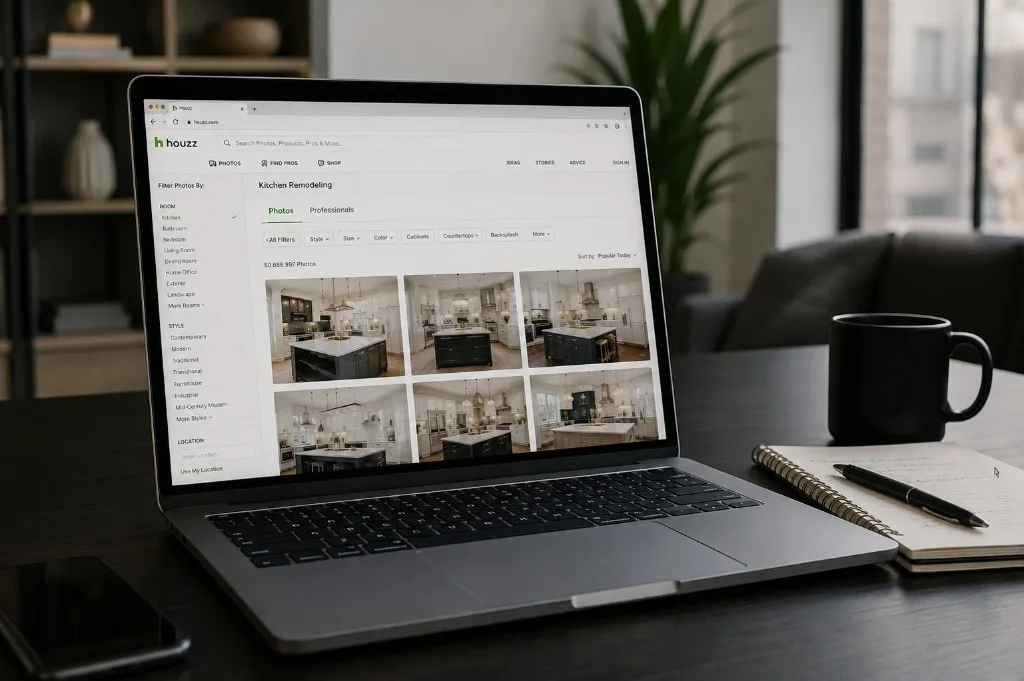
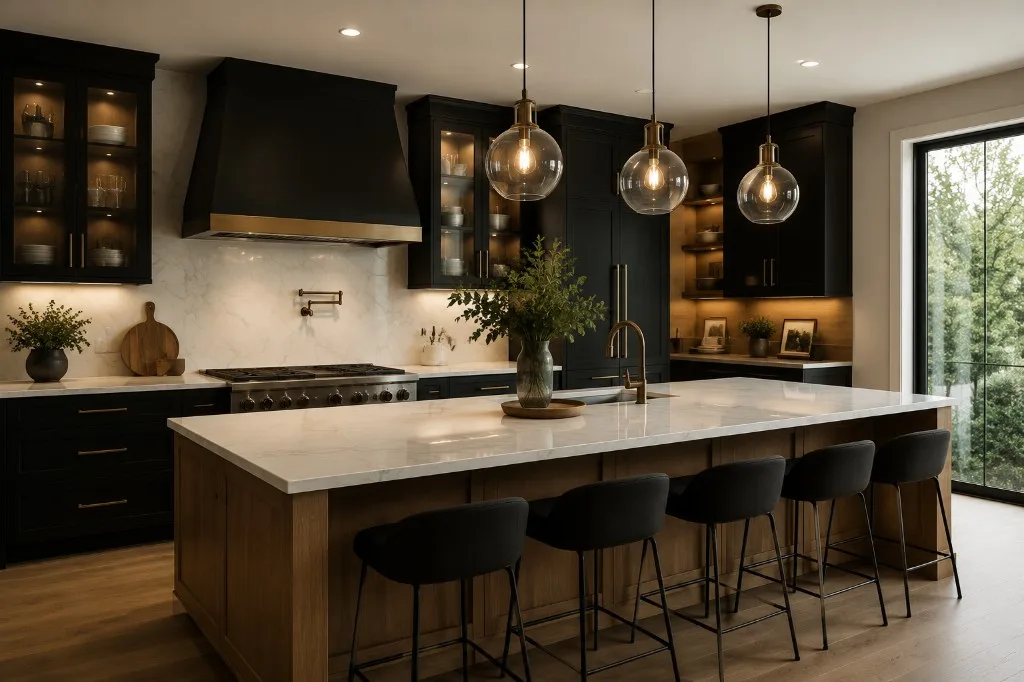
Your before-and-after proof, Houzz presence, and local reputation determine who earns the in-home visit — long before pricing conversations begin.
PROOF
A remodeling Google Ads case with reported qualified leads, CPL, and average project value — plus an adjacent contractor website case with CVR, bounce rate, and leads. Card figures come from those case studies.
Problem
Low-ticket repair clicks consumed budget.
Strategy
We split repair vs remodel campaigns and built a portfolio-led landing narrative.
Results
Qualified leads doubled directionally while CPL improved.

Problem
Above-the-fold messaging was vague and duplicated across services.
Strategy
We mapped intent by service line, tightened copy, and reduced friction on the primary conversion path.
Results
More quote requests from the same traffic with lower bounce and higher CVR.
FAQ
Practical answers for remodeling company owners evaluating agency partnerships, channel mix, and consultation-first growth strategy.
Referrals built most remodeling businesses, but referral-only pipelines create feast-or-famine cycles. Owned SEO, Google Business Profile, portfolio websites, CRM, and reviews build predictable consultation volume you control — while referrals continue as a compounding bonus.
Yes, especially for room-specific and location-based searches. Kitchen, bath, whole-home, and design-build pages compound over 60–120 days while paid search captures immediate consultation demand. SEO also reduces long-term dependency on purchased marketplace leads.
In most cases, yes. Kitchen and bathroom remodeling share similar specialist SERPs but different portfolio proof, material vocabulary, and buyer expectations. Separate landing pages, ad groups, and gallery sections improve message match and consultation quality.
Yes. Design-build firms sell architecture plus construction with longer consultations, renderings, and larger budgets. Marketing should emphasize design credentials, whole-project accountability, and consultation-first funnels — not room-only remodel templates.
They are central to the buying decision. Homeowners shortlist remodelers based on visual proof on your website, Houzz, Google Business Profile, and social channels long before discussing budget. Thin galleries directly reduce consultation request rates.
High-intent project types — kitchen, bath, whole-home, additions, and design-build — perform better with dedicated pages. Generic remodeling homepages blend search intent and hurt both SEO relevance and paid message match.
It depends on market competition, project mix, and crew capacity. Growth-focused remodelers typically plan around target cost per qualified estimate and desired monthly signed-project value rather than a fixed percentage — aligning spend with consultation quality and close rates.
Remodeling buyers often compare multiple bids over two to six weeks. Structured proposal delivery, financing conversations, and CRM follow-up sequences recover revenue that disappears when teams assume silence means rejection.
Very important for near-me remodel searches and map pack visibility. Project photos, review depth, accurate categories, and regular posts influence who homeowners shortlist before requesting a consultation.
Houzz is a remodeling-specific discovery and portfolio platform. Strong Houzz profiles complement Google visibility — especially for kitchen & bath specialists. We treat Houzz as an owned reputation asset alongside GBP, not a replacement for your website or CRM.
Marketplace leads can fill short-term gaps, but they are often shared, price-compared, and disconnected from your brand. Sustainable growth comes from owned channels — your SEO, website, profile, reviews, and follow-up data — where you control qualification and margin.
Kitchen, bath, and whole-home projects carry high ticket values, so competitors bid aggressively. Campaigns need tight qualification, room-specific landing pages, and conversion tracking tied to consultations and signed projects — not broad traffic.
It measures what you pay for consultations or estimate requests that match your project scope, budget, and service area. For remodelers, this metric aligns marketing spend with proposal and signed-contract outcomes better than raw lead counts.
Homeowners increasingly ask AI assistants for remodeler recommendations. AI Search Optimization strengthens entity signals, structured FAQ content, and authoritative portfolio data so your brand is cited accurately in AI-assisted discovery.
When you serve both, yes. Residential kitchen, bath, and whole-home buyers behave differently from commercial tenant improvement or office remodel decision-makers. Separate funnels protect estimator time and improve reporting clarity.
High project values make financing a common objection. Clear, honest financing messaging on landing pages and during proposal follow-up can improve consultation-to-contract conversion when presented accurately — especially for kitchen & bath projects in the $10k–$50k+ range.
We connect channel data to qualified consultations, proposals delivered, and signed contracts — reporting cost per qualified estimate, proposal rate, close rate, and pipeline value rather than vanity traffic or unqualified form fills.
Remodeling marketing focuses on room-specific renovation, portfolio proof, Houzz strategy, and consultation-first funnels for kitchen, bath, and whole-home projects. General contractor marketing addresses broader construction and signed-project intent. Separate service pages and campaigns help keep project scope, buyer intent, and sales cycles distinct.
No. We earn retention through measurable consultation quality, proposal progression, and signed-project outcomes. Most remodeling partners start with a 90-day foundation phase, then scale based on measured consultation quality, proposal progression, and available CRM outcomes.
Kitchen/bath versus whole-home split, design-build positioning if applicable, target markets, portfolio and Houzz assets, consultation workflow, proposal follow-up process, current ad accounts, website access, CRM close-rate benchmarks, and signed-project history. We handle strategy and implementation from there.
Still have questions about remodeling marketing?
Book a Strategy CallLEARN MORE
Practical resources on consultation-first acquisition, portfolio conversion, proposal follow-up, and adjacent home-service marketing programs.
Common paid search mistakes remodelers make before scaling high-CPC kitchen, bath, and whole-home campaigns.
Read guideHow map pack visibility, reviews, and local trust signals influence remodeling consultation quality.
Read guideWhy portfolio architecture and consultation paths outperform brochure-style remodeler sites.
Read checklistFrameworks for room-specific remodeling pages that improve message match and consultation conversion.
Read guideConnect channels, CRM, and proposal follow-up into a repeatable remodeling growth model.
Read playbookWhen to invest in compounding organic growth versus immediate consultation volume for remodeling firms.
Read guideHow remodelers can strengthen entity signals for AI-assisted local discovery and answer-engine visibility.
Read guideBroad general-contractor intent lives on a separate hub — route GC searches there, not through remodeling copy.
Read guideOutdoor living and deck projects route to the dedicated deck builder hub — not whole-home remodeling intent.
Read guideFlooring is often a remodel component but owns its own estimate-and-showroom intent on a separate hub.
Read guideREADY TO GROW?
Book a Strategy Call. We will audit your market, review portfolio conversion paths, and map a practical plan for more qualified consultations, proposals, and signed renovation projects.
What happens after you book