Las Vegas local acquisition systems

Digital marketing for Las Vegas service businesses built around local intent and qualified next steps

Clarify whether demand is local-service or destination-oriented, then align Maps, paid search, landing pages, and intake with the City-of-Las Vegas–relevant territory and services you actually deliver—so discovery becomes booked work, not mismatched traffic.

Las Vegas, Nevada skyline at dusk — geographic context for the Las Vegas market page
Connected acquisition flow
  1. Local discovery
  2. Customer intent
  3. Actual service area
  4. Service + offer fit
  5. Correct next step
  6. Booked outcome
  • Customer context
  • Actual service territory
  • Service and offer fit
  • Correct next step

Local realities

High Las Vegas search activity does not automatically mean qualified local demand

Las Vegas service businesses rarely stall because search volume disappears. They stall when broad “Las Vegas” targeting mixes local-service demand with destination research, when territory claims outrun crews, and when reporting treats every inquiry as equal progress.

  • Broad “Las Vegas” targeting mixes different customer contexts

    One campaign can mix resident home-service demand, local appointments, destination research, and hospitality-adjacent inquiry. Volume rises while the share of bookable next steps stays unclear.

  • Destination-oriented queries enter local service campaigns

    Travel, hotel, and visitor-oriented searches can enter service accounts. Without search-term review, teams spend sales time on research that never becomes a call, estimate, or appointment.

  • Valley-wide coverage is implied without operational support

    Ads and pages imply the full Las Vegas Valley or all of Clark County while crews only honor selected areas. Buyers then argue coverage before the offer is confirmed.

  • City of Las Vegas and Clark County language stays inconsistent across channels

    GBP, ads, landing pages, and intake use different territory definitions. Prospects cannot tell whether they are in the intended market before they submit.

  • Generic forms fail to identify local or out-of-market demand

    Forms collect a name and phone but skip city, service type, or context needed for routing—so sales discover mismatches after response capacity is already spent.

  • Visitor-oriented wording appears on resident-service pages

    Copy written for temporary visitors or Strip proximity confuses homeowners and local appointment buyers who need service, territory, and next-step clarity.

  • Irrelevant traffic is counted together with qualified local demand

    Dashboards blend destination research and out-of-area contacts with qualified local inquiries, so spend decisions lack intent and territory feedback.

  • Proof does not match the offer or customer context

    Irrelevant social proof or credentials erode trust when the service, territory, and call/estimate/consultation/appointment path do not match what the buyer needs.

Services

An acquisition system built around qualified local demand—not the broadest valley label

FueLLabs connects local visibility, query control, landing-page fit, intake, and follow-up so Las Vegas programs measure qualified conversations and booked outcomes—not every Las Vegas search equally.

A Las Vegas acquisition program should start with customer context and territory honesty—then connect local SEO and reputation systems with conversion-focused landing pages, Google Ads, tracking, and lead response automation so discovery becomes a qualified call, estimate, consultation, or appointment—without treating the full Las Vegas Valley or all of Clark County as interchangeable with the intended market.

Local signals should match the location and customer context the business actually serves

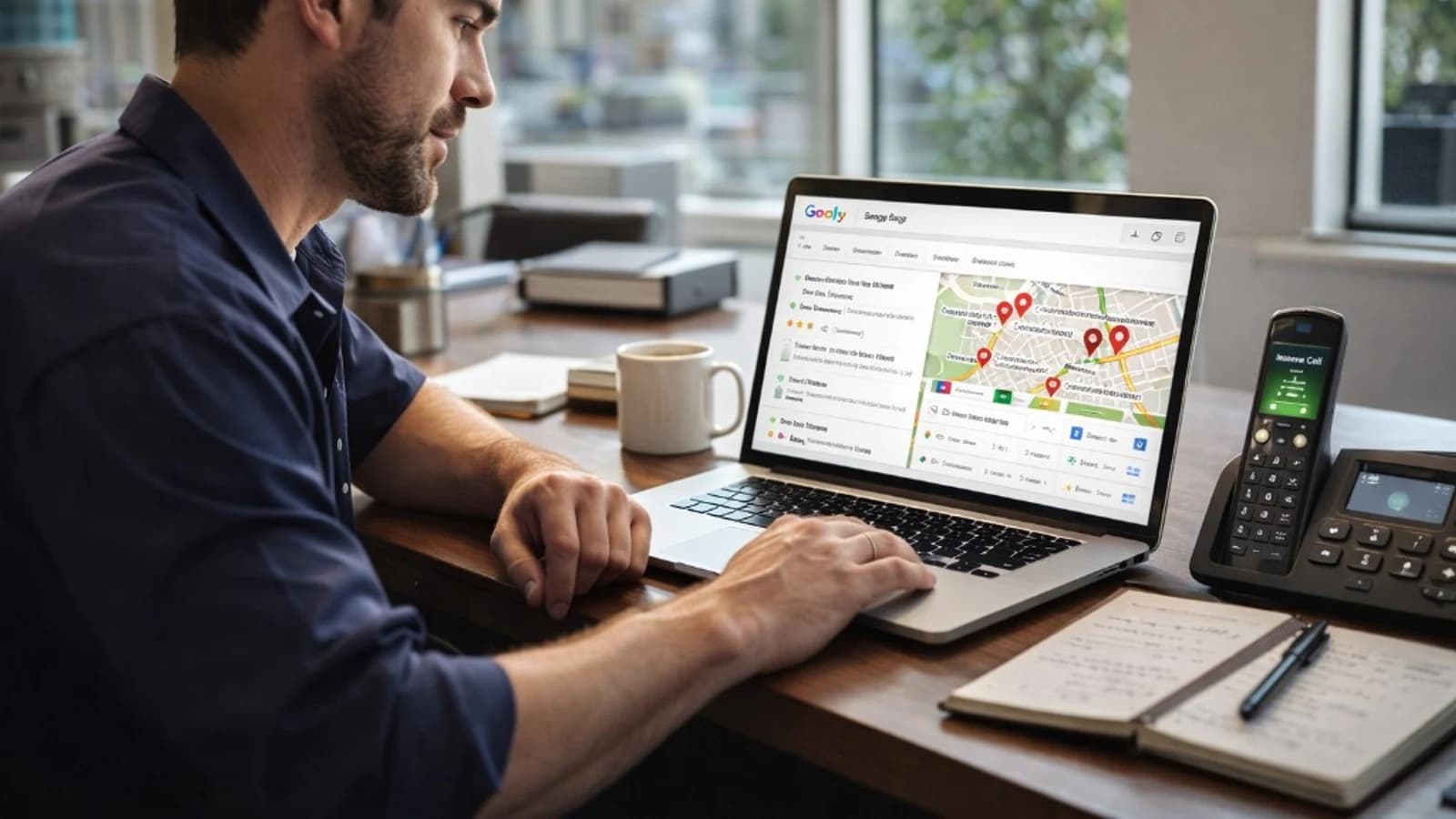
Maps and listings often start local discovery. Categories, services, hours, photos, reviews, service-area settings, and website destination should match how the business actually operates—and the customer contexts it can fulfill. Treat this as a planning lens, not a Map Pack guarantee.

Google Business Profile as a context-honest surface

Name consistency, categories, services, and contact paths should reflect real operations. Do not invent a storefront, duplicate listings, or use a fake Strip, Henderson, or North Las Vegas pin to chase visibility.

Service-area settings without stuffing community names

A service-area business can operate without a public storefront, but GBP and website claims must still follow platform policy and actual coverage. Add Henderson, North Las Vegas, or unincorporated communities only when they are genuinely served—never as keyword decoration.

From listing to a page that confirms fit

Local pages should answer service offered, location support, and whether the buyer should call, request an estimate, book a consultation, or schedule an appointment—so discovery is not wasted on a vague valley claim.

Industries

Built for Las Vegas operators where customer context and next steps matter

Framed for call-driven, estimate-led, appointment, commercial, and—when relevant—hospitality-adjacent models. Categories describe operating patterns, not claims of Las Vegas client coverage in every vertical.

Different Las Vegas inquiries need different demand-signal and next-step paths

These briefs describe operating models—not claims that FueLLabs already serves every Las Vegas trade from a local office or has clients in every listed vertical.

Resident-focused call-driven services

HVAC, plumbing, electrical, appliance repair, cleaning, pest control, moving, and restoration often need local-intent clarity, a short inquiry path, territory honesty, missed-call handling, and a booked service step. See our HVAC marketing, plumbing marketing, and electrical marketing guides.

Estimate- and project-led services

Roofing, remodeling, flooring, landscaping, painting, outdoor construction, and property improvement usually need project fit, property location clarity, relevant proof, and a clear estimate path. Starting points include our remodeling marketing, flooring marketing, and contractors marketing guides.

Appointment and consultation businesses

Med spas, dental, clinics, wellness, beauty, and professional services win when customer context, consultation fit, scheduling, and confirmations protect shows and bookings. See our med spa marketing guide and dental marketing guide. For related published Google Ads and lead-qualification work from Tampa, FL (Contractors · Google Ads & lead qualification—not Las Vegas-local proof), see the Tampa drywall Google Ads case study.

Local commercial and hospitality-adjacent operators

Property services, facilities, local B2B, and some hospitality-adjacent vendors still need territory honesty and request ownership—and may intentionally retain relevant commercial demand. See our property management marketing guide.

Local context

Paid search should separate useful local intent from irrelevant destination traffic

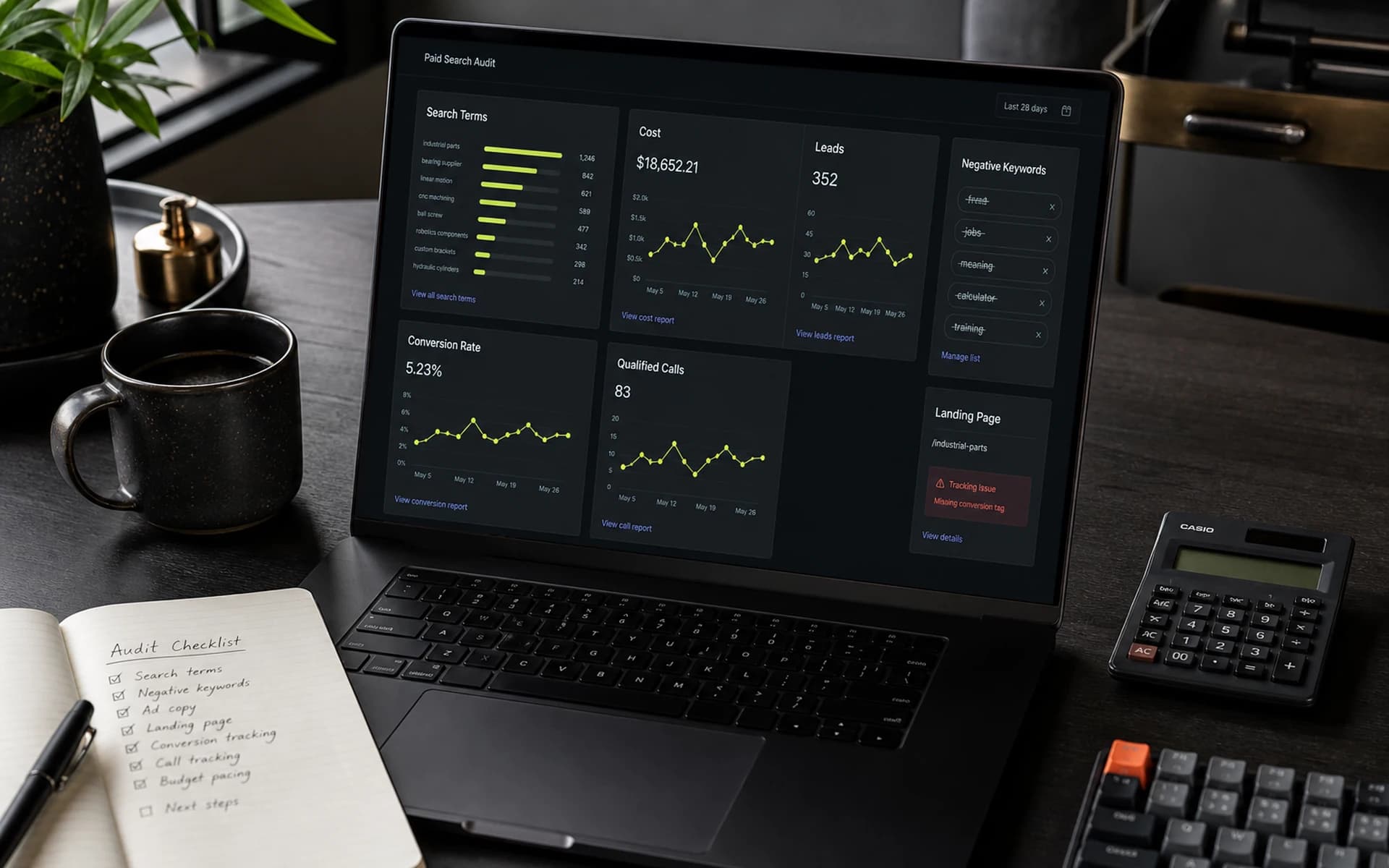
Google Ads for Las Vegas service businesses should follow actual service boundaries, useful local and appointment intent, and whether the buyer is ready to call, request an estimate, book a consultation, or schedule an appointment. Keep location presence settings and exclusions honest, review destination-oriented and out-of-market inquiries when they appear, and feed accepted versus rejected outcomes back into optimization. Do not invent CPC, CPL, or resident-versus-visitor benchmarks—and do not assume every client must exclude tourism terms, target all of Clark County, or serve the Strip.

Landing pages should confirm service offered, intended customer, actual territory, local versus visitor relevance only when necessary, offer terms, proof relevance, and the correct next step before asking for contact. Intake should collect enough detail to route correctly without a valley geography quiz or automatic licensing verification.

A qualified inquiry still needs honest follow-up: confirmation, missed-call recovery, estimate or appointment scheduling, CRM stages for qualified local, requires review, outside territory, wrong service, and ownership when requests remain unfinished. FueLLabs collaborates remotely and does not claim a Las Vegas office.


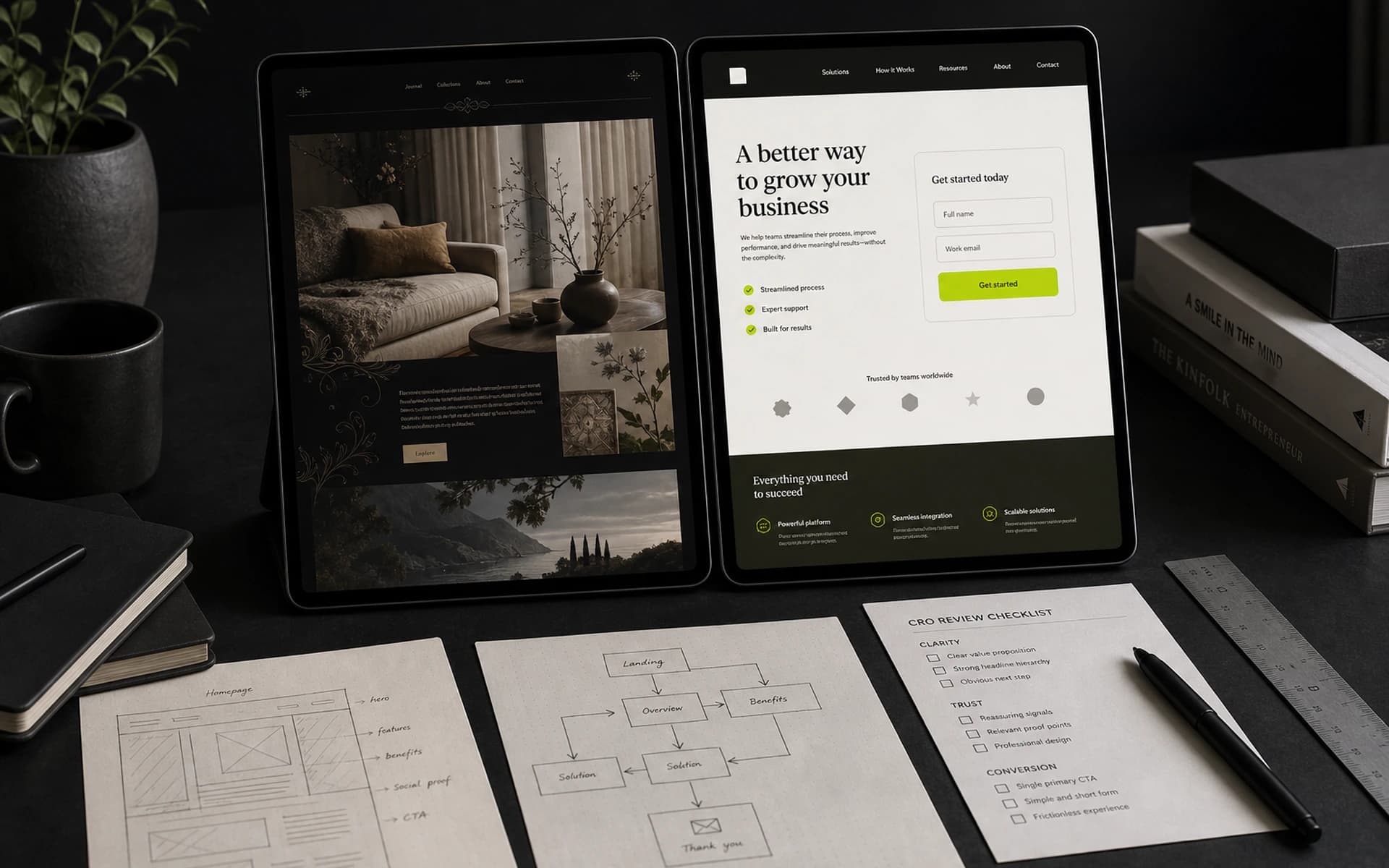
The landing experience should confirm service, location, and customer fit before contact

Buyers need service clarity, territory honesty, and whether to call, request an estimate, book a consultation, or schedule an appointment before they submit. A generic “contact us” page does not prepare a market-honest handoff—and a visitor-exclusion wall is not a qualification strategy.

Questions the page should answer

Is this service available for my property or business? Does the business serve my actual location? Is the offer relevant to my situation? Should I call, request an estimate, book a consultation, or schedule an appointment? What happens after I submit?

Ask enough to identify local fit without making customers decode the valley

Service needed, city, and address or ZIP where useful—plus residential or commercial context, issue or project type, timing, and call/estimate/consultation/appointment preference—support routing. Collect visitor/local context only when it changes delivery. Do not force a Clark County geography quiz, and do not claim automatic licensing verification.

Customer context matters only when it changes the service, offer, or next step

A residential HVAC company may need to reduce hotel and travel intent. A commercial facilities provider may retain some hospitality demand. An appointment business may need to distinguish local appointments from temporary visitor inquiries. Segment only when operations and search-term evidence justify it—never by treating visitors as inherently poor-quality leads.

Paid search should follow real coverage and useful intent

Keep geography honest, review search terms, use negatives where data supports them, and feed qualified versus irrelevant outcomes back into optimization. Do not invent CPC, CPL, or resident-versus-visitor benchmarks—and do not assume every client must exclude tourism terms or target all of Clark County.

Process

How we engage Las Vegas service businesses

A practical sequence focused on qualified local demand, discovery quality, intake, and booked outcomes—before adding channel complexity.

  1. Define qualified local demand

    Clarify customer contexts, Las Vegas-relevant territory, services and offers, and call versus estimate versus consultation versus appointment paths.

  2. Audit discovery and query quality

    Align GBP, SEO, ads, search-term review, and location signals so destination noise and unsupported valley claims do not outrun operations.

  3. Align pages, intake, and response

    Connect landing pages, proof, forms, calls, CRM stages, and human review so unfinished inquiries keep a defined next step.

  4. Measure qualified outcomes

    Prioritize local/in-area fit, service fit, estimates or appointments, booked work, rejection reasons, and cost—not raw Las Vegas traffic alone.

How FueLLabs would map a Las Vegas demand-signal system

Sequence matters when search language is broader than operating territory. This roadmap is a planning model—not a guaranteed timeline, SLA, or outcome.

Define qualified local demand

  • Clarify customer contexts the business can serve, the Las Vegas-relevant territory marketing may claim, services and offers, and call versus estimate versus consultation versus appointment paths.

Audit discovery and query quality

  • Align GBP, SEO, ads, search-term review, and location signals so destination noise and unsupported valley claims do not outrun operations.

Align pages, intake, and response

  • Connect landing pages, proof, forms, calls, CRM stages, customer-context routing where needed, and human review so unfinished inquiries keep a defined next step.

Measure qualified outcomes

  • Separate local/in-area fit, service fit, estimates or appointments, booked work, rejection reasons, and cost—rather than optimizing to raw Las Vegas traffic alone.

Case study

Related Published Work: Google Ads and Lead Qualification

Drywall contractor finishing joints with taping knives during a residential construction project
Published related work · Tampa, FL · Contractors · Google Ads & lead qualificationTampa, FLContractors

Drywall Contractor — Google Ads & Lead Qualification System

Service-segmented Google Ads, dedicated landing pages, and CRM-backed qualification shifted spend from small repairs to profitable installation projects.

Client challenge

The company relied heavily on referrals and broad Google Ads campaigns that generated inconsistent lead quality. Most inquiries were for drywall patches and small handyman repairs rather than profitable installation, remodel, or commercial tenant improvement projects.

Approach

We rebuilt the Google Ads account around high-intent drywall services, created dedicated landing pages per service line, implemented call and conversion tracking, and connected CRM follow-up so optimization targeted qualified estimate requests instead of raw lead volume.

  • Qualified estimates18 → 34+89%
  • Cost / qualified estimate$164 → $109-34%
  • LP conversion rate7.1% → 11.8%+66%

Higher-quality estimate requests, lower wasted ad spend, and stronger landing page conversion. Qualified estimates grew from 18 to 34 per month while cost per qualified estimate fell from $164 to $109, giving the company a more predictable monthly project pipeline.

Read the Tampa drywall Google Ads case study

Measurement

Separate qualified local demand from raw Las Vegas traffic

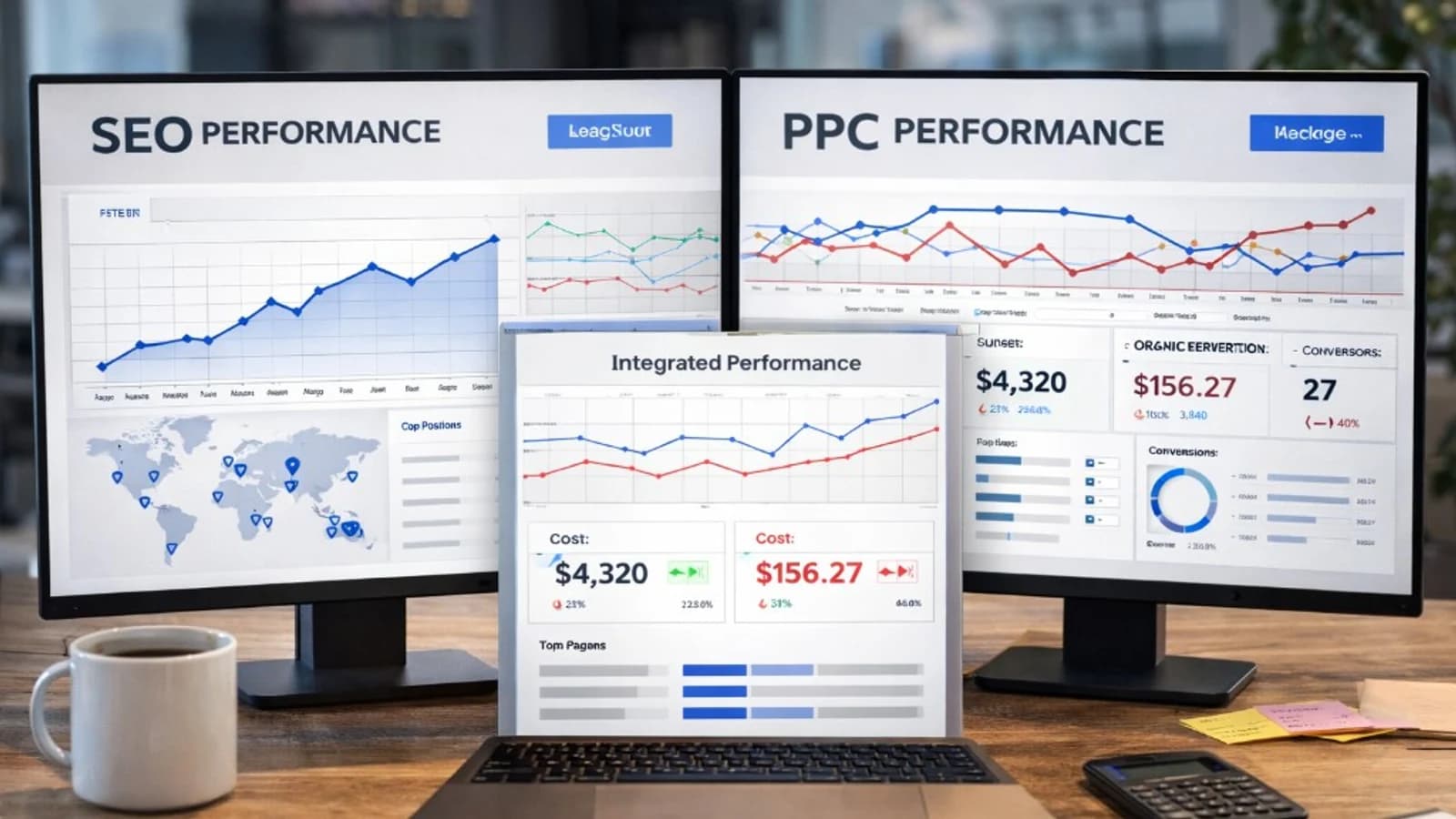
Reporting categories we prioritize for demand-signal systems—these describe scope, not guaranteed results or universal Las Vegas benchmarks.

  • Calls and forms by source

    Contacts attributed by campaign, listing, or page—before treating volume as the only success signal.

  • Local versus out-of-market demand

    Inquiries that match local-service or appointment relevance versus destination research or out-of-area contacts, when that distinction is useful.

  • In-area and out-of-area rates

    Contacts inside current territory versus out-of-area or requires-review leads that marketing must not treat as equal progress.

  • Wrong-service and qualified inquiry rates

    Requests that match offered services versus out-of-scope contacts that dilute sales time.

  • Estimate, consultation, appointment, and booked-work rates

    Progress into the correct next step—and completed work when systems support it.

  • Cost per qualified inquiry and booked opportunity

    Spend divided by qualified opportunities and booked outcomes—not cost per any form.

Service area

Las Vegas” is a market label—not automatic coverage of the full valley

We partner with service businesses whose brand and search demand center on Las Vegas. The incorporated City of Las Vegas is the primary municipal identity for this page. Informal search language can refer to a larger Las Vegas Valley and Clark County context—those labels are not interchangeable with the city and are not automatic service coverage.

Paradise and Enterprise are unincorporated or planning contexts—not City of Las Vegas synonyms. North Las Vegas and Henderson are separate incorporated cities and are not default Las Vegas coverage. The Strip is not municipal boundary truth and does not imply every Las Vegas business serves it. Marketing should stay specific to the intended Las Vegas market even when a client serves selected valley or unincorporated areas. Actual coverage varies by client.

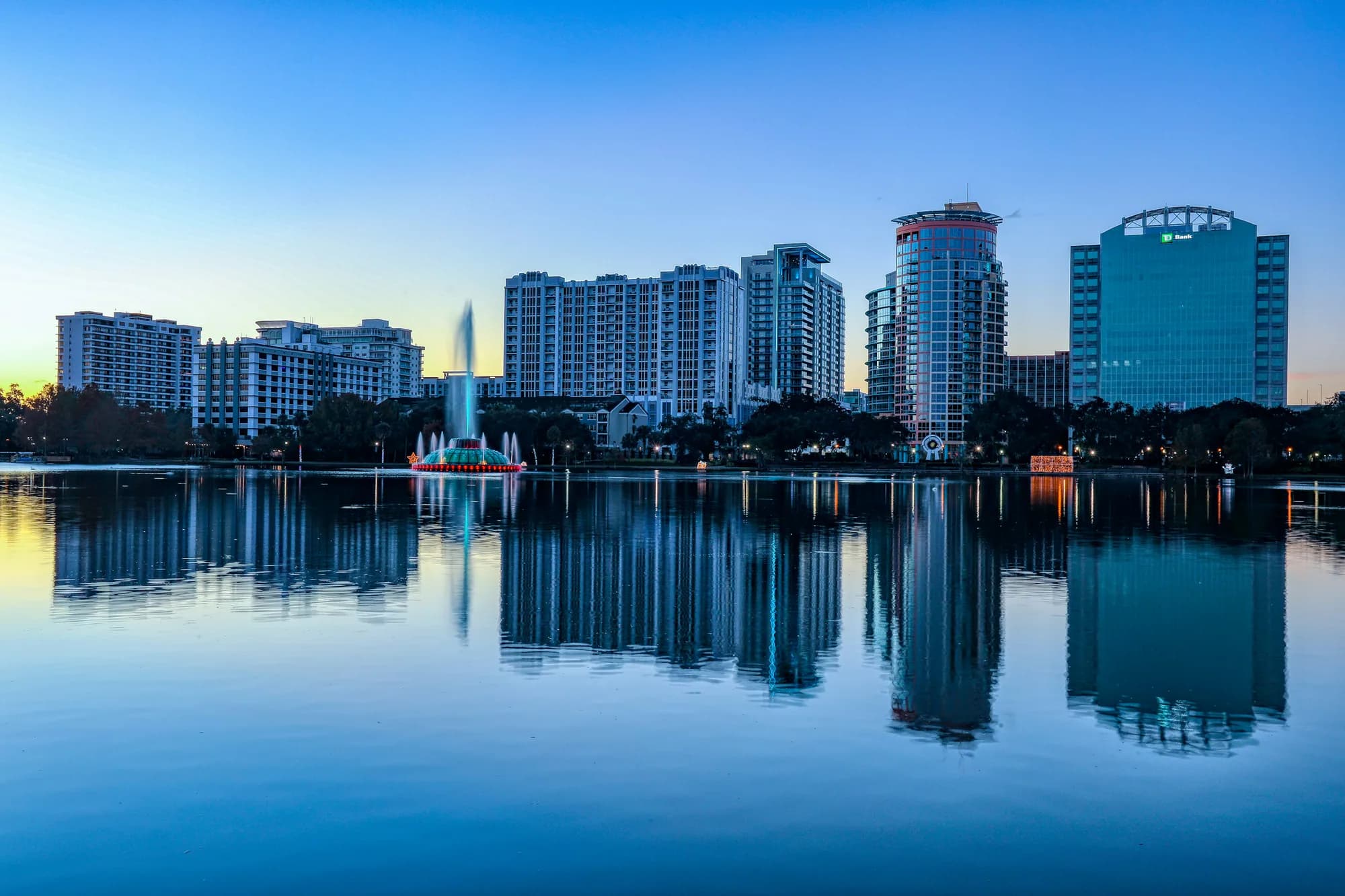
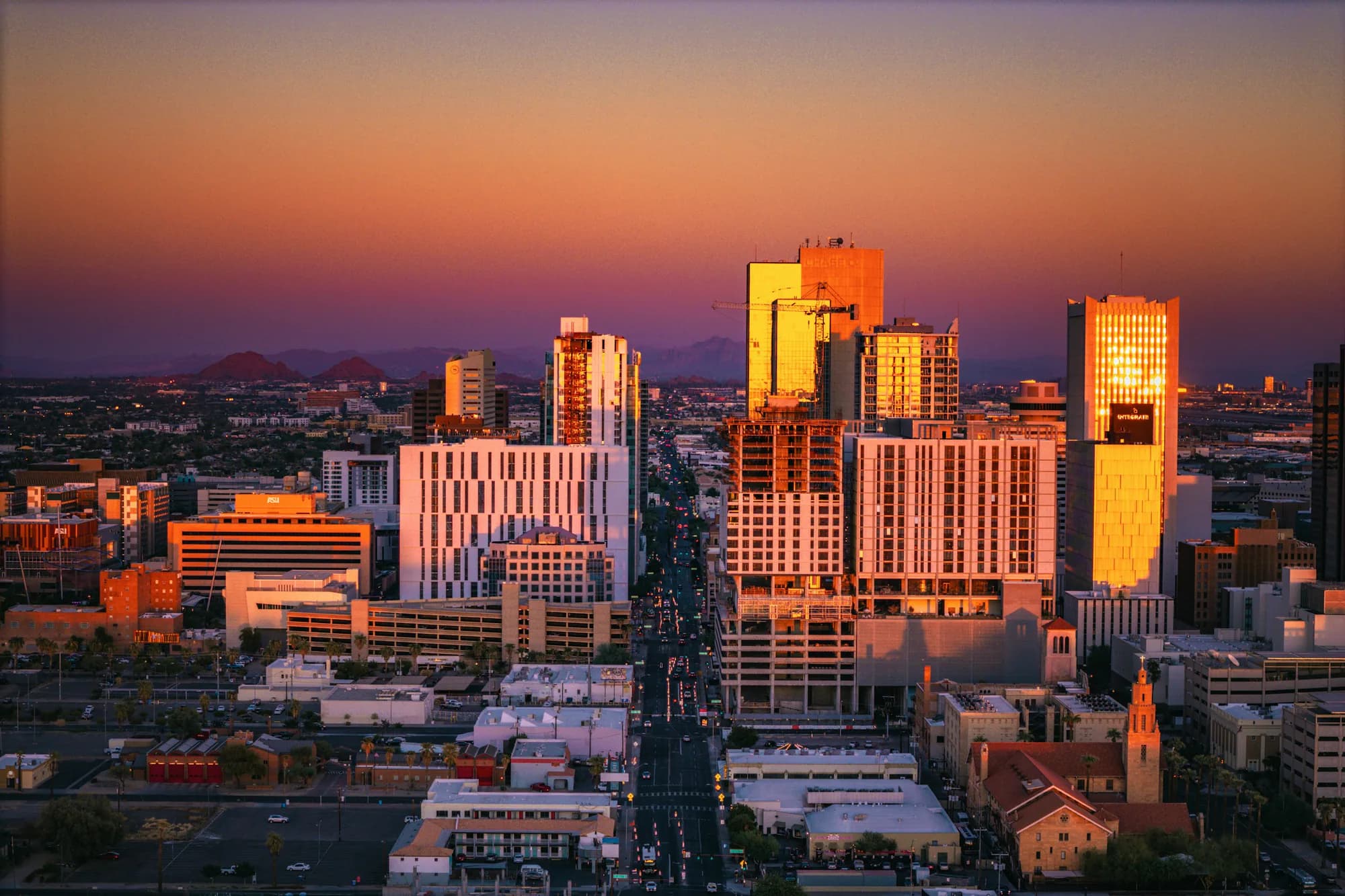
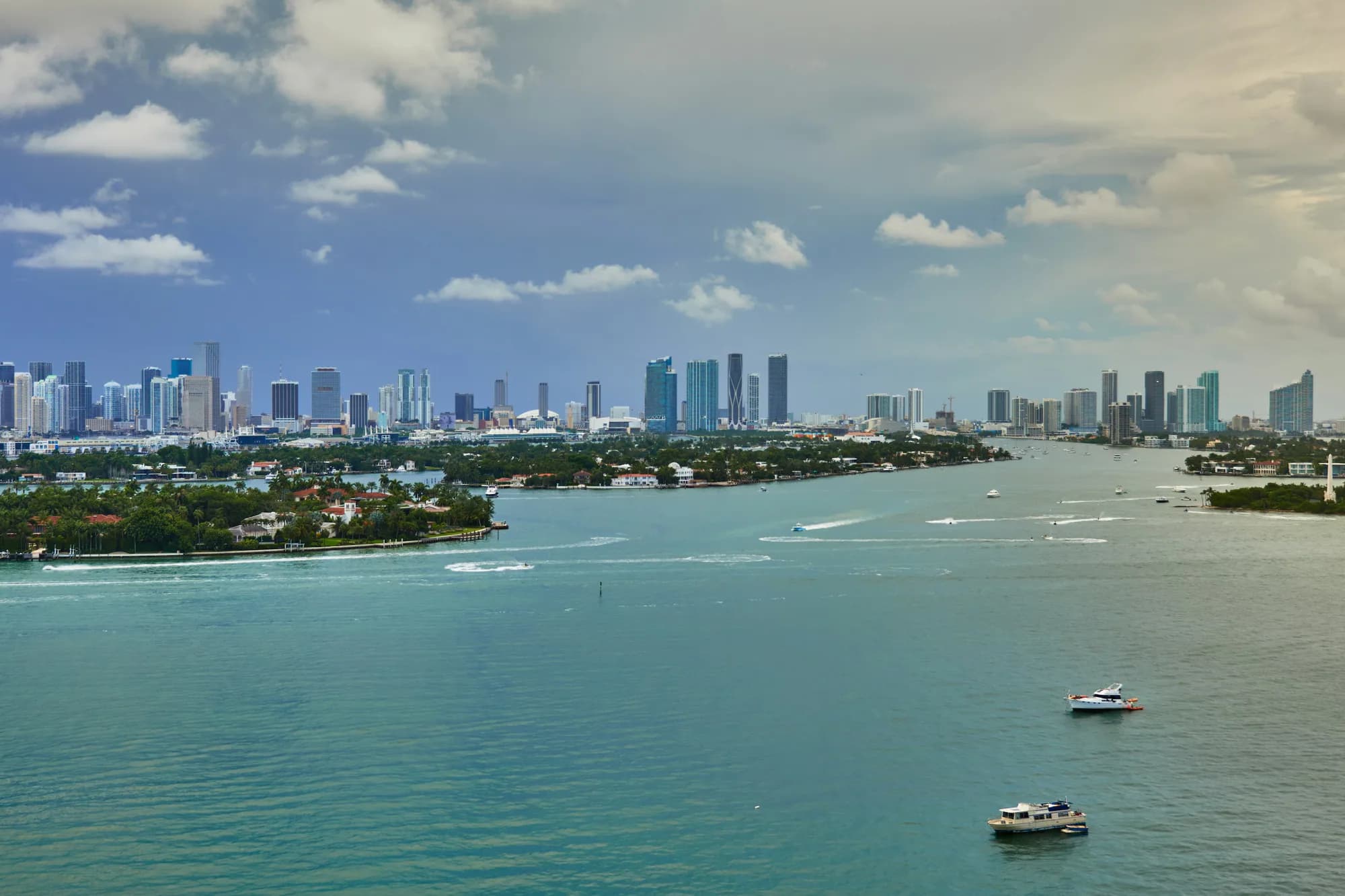
The City of Las Vegas remains the primary city identity for this page even when informal search language refers to the broader valley. Paradise and Enterprise are unincorporated or planning contexts—not City of Las Vegas synonyms. North Las Vegas and Henderson are separate incorporated cities. Related authority contrasts include Orlando, Phoenix, and Miami. Browse the full Explore all markets hub for every published city guide.

Marketing geography, proof, and service claims should reflect the business’s actual operating territory and applicable requirements. Jurisdiction-specific licensing or permit questions should be confirmed with the relevant authority or qualified adviser—this page is not a legal or compliance guide, and FueLLabs does not verify or guarantee compliance.

FAQ

Las Vegas digital marketing questions

Is this page for the City of Las Vegas or the entire Las Vegas Valley?

It is a Las Vegas market page for service and local businesses. The incorporated City of Las Vegas is the primary municipal identity; the broader valley is not automatic coverage.

Resources

Digital marketing resources for Las Vegas operators

Guides on local visibility, paid search discipline, landing clarity, and follow-up systems for service businesses competing on qualified local demand—not interchangeable valley claims.

These articles expand on local visibility, paid search discipline, landing clarity, and follow-up systems—useful reading before a strategy call. For related published Google Ads and lead-qualification work from Tampa, FL (Contractors · Google Ads & lead qualification—not Las Vegas-local), see the Tampa drywall Google Ads case study.

Connect Las Vegas Discovery to Qualified Local Outcomes

Evaluate whether customer context is segmented only when it changes fit, whether ads and pages stay honest about City of Las Vegas–relevant territory versus valley-wide claims, whether proof matches the offer, whether intake confirms location and service fit, and whether booked outcomes are measured separately from raw Las Vegas traffic—without anti-tourism framing or office-location claims.