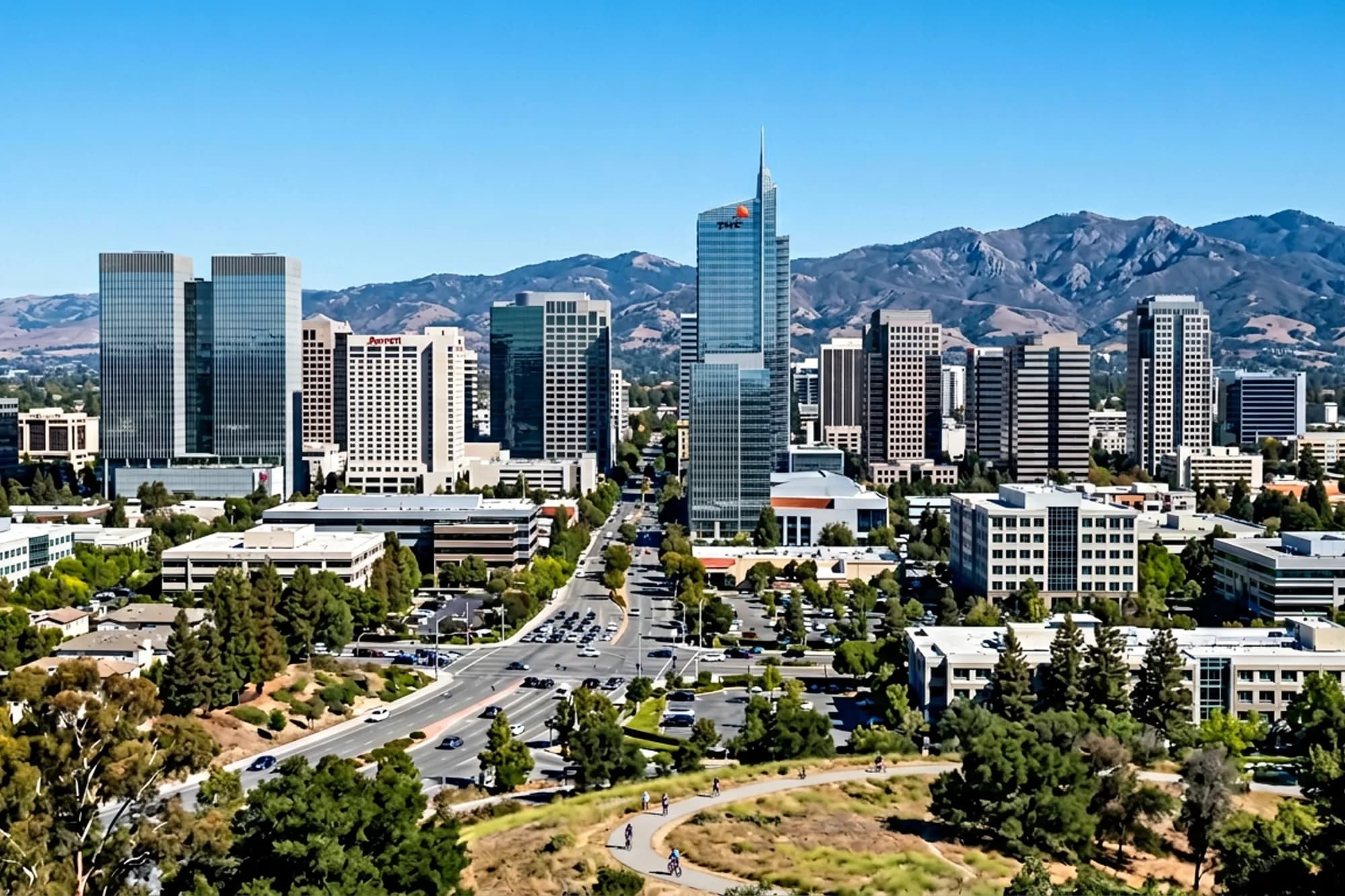
“Seattle” / metro targeting exceeds the radius crews can honor
Broad Seattle–Tacoma–Bellevue or Puget Sound targeting expands inquiry volume while out-of-radius contacts rise—so reporting looks busy while booked work stays flat.
Seattle metro-radius acquisition systems
Help Seattle service businesses clarify City of Seattle relevance against Eastside, King County, Seattle–Tacoma–Bellevue, and Puget Sound language—then align Maps, paid channels, pages, proof, and response so demand becomes booked, capacity-fit work (including recurring plans when that is the offer)—not mismatched metro inquiries. The City of Seattle is the page identity; wider metro and planning language is context for qualification, not automatic coverage.
Local realities
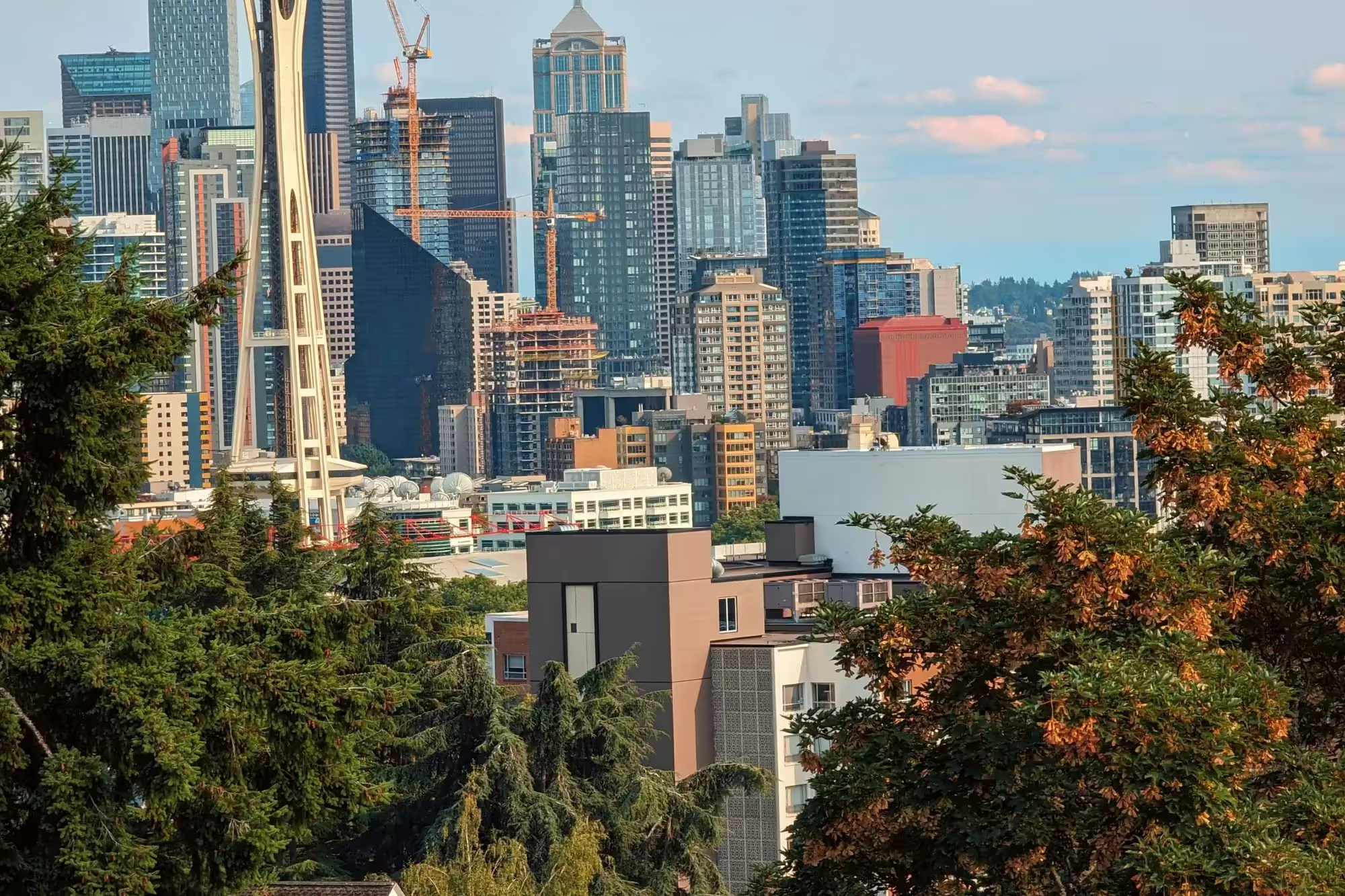
Seattle service businesses rarely stall because demand disappears. They stall when “Seattle” campaigns blur the City of Seattle with Eastside cities, King County language, and Seattle–Tacoma–Bellevue or Puget Sound planning shorthand—so ads, pages, proof, and intake invite inquiries the operation cannot fulfill or retain.
Broad Seattle–Tacoma–Bellevue or Puget Sound targeting expands inquiry volume while out-of-radius contacts rise—so reporting looks busy while booked work stays flat.
Ads, pages, and intake collapse Bellevue and other Eastside cities into one Seattle claim. Buyers and ops then argue about location before service or plan fit is confirmed.
County and city shorthand get mixed across GBP, ads, and site copy, so customers cannot tell whether City of Seattle identity and coverage are intentional.
Offer creative and pages optimize for discounts or one-off cleans while the business needs recurring plans, scheduled capacity, or retainable bookings.
Forms collect contact data without connecting location, job type, timing, or plan preference to crew capacity—so sales inherit mismatches.
Generic credentials or unrelated case claims erode trust when the offer, radius, and next step do not match what the buyer needs.
One channel says Seattle, another implies Eastside or countywide coverage, and response scripts cannot confirm fit—alignment breaks before a usable handoff.
Dashboards blend in-radius demand with leakage and one-time promo contacts, so spend decisions lack capacity and retention feedback.
Services
FueLLabs connects local visibility, paid demand, Meta and search offers, conversion pages, tracking, and follow-up so Seattle programs measure booked and retainable outcomes—not every metro contact equally.
A Seattle acquisition program should keep City of Seattle relevance clear, confirm the radius and capacity the business can honor, and connect discovery offers to booked—and when relevant, retained—work. That usually means linking local SEO and reputation systems with Google Ads, Meta Ads, conversion-focused landing pages, tracking, and lead response automation—without treating Bellevue, Tacoma, King County, or Puget Sound planning language as automatic coverage.
Paid search structured around real coverage, service intent, and call versus book versus estimate paths—not an undifferentiated metro catch-all.
Explore Google Ads Management →Organic support for service and intent pages so discovery is not limited to paid channels alone.
Explore SEO for U.S. Businesses →GBP clarity, service lists, and local pages that keep City of Seattle relevance aligned with the territory customers and Maps actually see.
Explore Local SEO & Reputation →Pages that confirm city context, radius fit, offer or plan, and proof before asking for the next step.
Explore Website Design & Landing Pages →Confirmation, missed-call recovery, and CRM ownership so radius mismatches and unfinished inquiries get honest handoffs.
Explore Lead Response Automation →Prioritize market definition, radius honesty, capacity-fit offers, and measurement before widening metro spend.
Explore Strategy & U.S. Market Consulting →Also available
Maps and listings often start local discovery. Categories, services, hours, photos, reviews, service-area settings, and website destination should match City of Seattle relevance and the territory crews can fulfill—then hand buyers the same story on the site. Treat this mix as a planning lens, not a Map Pack guarantee.
Categories, services, contact paths, and address visibility (when applicable) should reflect how the business operates. Do not invent a storefront, duplicate pins, or present Bellevue or Tacoma as interchangeable with a Seattle listing.
A service-area business can operate without a public storefront, but GBP and website claims must still follow platform policy and real coverage. Add Eastside or other municipalities only when they are genuinely served—never as keyword decoration for “Puget Sound.”
Local pages should answer city context, service or plan fit, whether the buyer is in radius, and whether to call, book, or start a recurring plan—so discovery is not wasted on a vague metro claim.
Industries
Framed for recurring, call-driven, estimate-led, and appointment models—categories describe operating patterns, not claims of Seattle client coverage in every vertical.
Scheduled and recurring work where plan clarity, confirmation, and retention-aware follow-up protect usable bookings.
View Cleaning marketing →Call-driven service where city/radius clarity and missed-call handling protect booked jobs.
View HVAC marketing →Service requests that reward location honesty and a clear next step after the call.
View Plumbing marketing →Service calls where territory fit and follow-up ownership decide usable outcomes.
View Electrical marketing →Estimate-led projects that need territory, project fit, and quote follow-up.
View Remodeling marketing →Property improvement demand that benefits from proof match and estimate paths.
View Contractors marketing →Jobs where distance and capacity constraints should shape targeting and intake.
View Moving marketing →Consultation funnels where market fit and scheduling protect show rates.
View Med spa / beauty marketing →These briefs describe operating models—not claims that FueLLabs already serves every Seattle trade from a local office or has clients in every listed vertical. Cleaning is highlighted because published Seattle case-study proof exists for recurring plan signups.
Cleaning and similar scheduled work often need plan clarity, radius honesty, confirmation, and retention-aware follow-up—not one-time promo traffic alone. See our cleaning marketing guide and the published Seattle cleaning Meta Ads case study on this page.
HVAC, plumbing, and electrical often need city and radius clarity, short intake, missed-call handling, and a booked service step. Starting points include our HVAC marketing, plumbing marketing, and electrical marketing guides.
Remodeling and contractor work usually need territory honesty, project fit, relevant proof, and a clear estimate path before booked work. See our remodeling marketing and contractors marketing guides.
Med spas and similar appointment businesses win when market fit, proof, scheduling, and confirmations protect shows. See our med spa marketing guide.
Local context
Google Ads and Meta Ads for Seattle service businesses should follow actual service boundaries, service- or plan-specific intent, and whether the buyer is ready to call, book, or start a recurring plan. Keep location settings honest, review Eastside and out-of-radius inquiries when operations do not support them, and feed accepted versus mismatched outcomes back into optimization. Do not invent CPC, CPA, or city-versus-metro benchmarks—and do not assume every business must cover Bellevue, Tacoma, or all of King County.
Landing pages should confirm city context, radius fit, offer or plan, relevant proof, and factual credentials before asking for contact. Intake should collect enough location and service detail to route correctly without turning the public form into a metro geography quiz or implying automatic licensing verification.
A qualified inquiry still needs capacity-aware follow-up: confirmation, missed-call recovery, booking or plan-start scheduling, CRM stages for in-radius versus out-of-radius versus wrong-service, and ownership when requests remain unfinished. For recurring offers, early retention and show quality matter alongside first-touch volume. FueLLabs collaborates remotely and does not claim a Seattle office.
Buyers need city context, service or plan fit, whether they are in operating radius, relevant proof, and whether to call, book, or start a recurring plan before they submit. A generic “contact us” page does not prepare a capacity-honest handoff.
Is this a Seattle-relevant service business for my location? Is the service or plan available? Does capacity match what I need? Is the proof relevant? Should I call, book once, or start a recurring plan? What happens after I submit?
Service needed, city/ZIP where useful, residential or commercial context, timing, and call/book/plan preference support routing. Do not force customers to decode MSA or PSRC boundaries, and do not claim automatic licensing verification.
Paid search and Meta should start from the City of Seattle and the radius crews can honor—not the widest Seattle–Tacoma–Bellevue or Puget Sound label. Eastside demand may deserve separate treatment when operations support it, but that is not automatic. Do not invent CPC, CPA, or city-versus-Eastside benchmarks.
Confirm receipt, recover missed calls, schedule bookings or plan starts, tag out-of-radius and wrong-service inquiries, stop irrelevant automation, and keep source attribution. For recurring offers, follow-up should protect show rate and early retention—not only first-touch volume. Do not promise universal response times or booking guarantees.
Process
A practical sequence focused on radius definition, capacity-fit offers, intake, and booked—or retained—outcomes before adding channel complexity.
Clarify City of Seattle positioning, real service territory, any Eastside coverage that is operationally justified, and which one-time versus recurring offers marketing may sell.
Align GBP, SEO, ads, landing pages, proof, and factual credentials so metro language stays coherent with capacity.
Improve location and service capture, confirmation, missed-call recovery, mismatch handling, and CRM ownership.
Prioritize in-radius fit, bookings or plan starts, early retention when relevant, leakage, and cost—not form volume alone.
Sequence matters when metro language is broader than operating capacity. This roadmap is a planning model—not a guaranteed timeline, SLA, or outcome.
Clarify City of Seattle positioning, real service territory, whether Eastside or other coverage is operationally real, crew capacity, and which one-time versus recurring offers marketing may sell.
Align GBP, SEO, ads, landing pages, proof, and factual credentials so customers see one coherent city and capacity story before they contact you.
Connect location and service fields, calls, forms, CRM stages, out-of-radius handling, and human review so usable demand reaches the right next step.
Separate in-radius fit, service fit, bookings or plan starts, early retention when relevant, leakage, and cost—rather than optimizing to raw metro inquiry volume alone.
Case study

We shifted paid social away from one-time promotions and built the acquisition system around recurring cleaning plans.
Paid traffic skewed to one-time deep cleans. Landing pages did not explain recurring value.
We rebuilt offers around recurring plans with testimonial-led creative and cleaner booking.
Recurring leads more than doubled while CPA improved and retention rose.
Read the Seattle cleaning case studyMeasurement
Reporting categories we prioritize for metro-radius capacity systems—these describe scope, not guaranteed results or universal Seattle benchmarks.
Contacts attributed by campaign, listing, or page—before treating volume as the only success signal.
Inquiries inside current territory versus out-of-radius or requires-review leads that marketing must not treat as equal progress.
Requests that match offered services or plans versus out-of-scope contacts that dilute sales time.
Progress into bookings, plan signups, or equivalent next steps—and completed starts when systems support it.
Short-window retention or repeat signals when the business sells plans—not only first-touch CPA.
Spend divided by qualified opportunities and booked outcomes—not cost per any metro form.
Service area
We partner with service businesses whose brand and search demand center on the City of Seattle. Bellevue and Tacoma are separate cities and are not included by default. Serving selected King County or Eastside areas does not make Puget Sound planning geography one automatic marketing market.
Official regional planning describes a broader central Puget Sound region, and statistical language uses Seattle–Tacoma–Bellevue metro framing. That context helps explain why search language feels wide—it does not define FueLLabs coverage, a client’s operating territory, tax or licensing rules, or automatic service across every community. Actual coverage varies by client. FueLLabs does not claim a physical Seattle office.
The City of Seattle remains this page’s market even when a business serves selected communities elsewhere in King County or the wider metro. Bellevue and Tacoma are separate cities; Eastside municipalities are not synonyms for Seattle coverage. Seattle–Tacoma–Bellevue statistical language and Puget Sound Regional Council planning context are explanatory only—they do not define FueLLabs coverage, a client’s operating territory, or automatic service across every community. Related market contrasts include Portland, Denver, and San Jose. Browse the full Explore all markets hub for every published city guide.
Marketing geography, proof, and service claims should match the business’s actual operational and regulatory position. Trade-specific licensing or permit questions require review with the relevant authority or qualified adviser—this page is not a legal or compliance guide, and FueLLabs does not verify or guarantee compliance. FueLLabs does not claim a physical Seattle office.
FAQ
Clarify City of Seattle relevance, keep campaigns honest about service radius and capacity, connect local SEO, paid channels, conversion pages, proof, tracking, and lead response, and measure booked—or when relevant, retained—outcomes instead of raw metro inquiry volume.
Resources
Guides on local visibility, paid acquisition discipline, landing clarity, and lead response for service businesses competing on capacity-fit demand—not interchangeable metro claims.
These articles expand on local visibility, paid acquisition discipline, landing clarity, and lead response—useful reading before a strategy call. For published Seattle cleaning Meta Ads results (CleanCo Home Services · recurring plan signups), see the Seattle cleaning Meta Ads case study.
A practical local SEO playbook for service brands that want qualified calls, not vanity traffic.
Read local seo & reputation guide →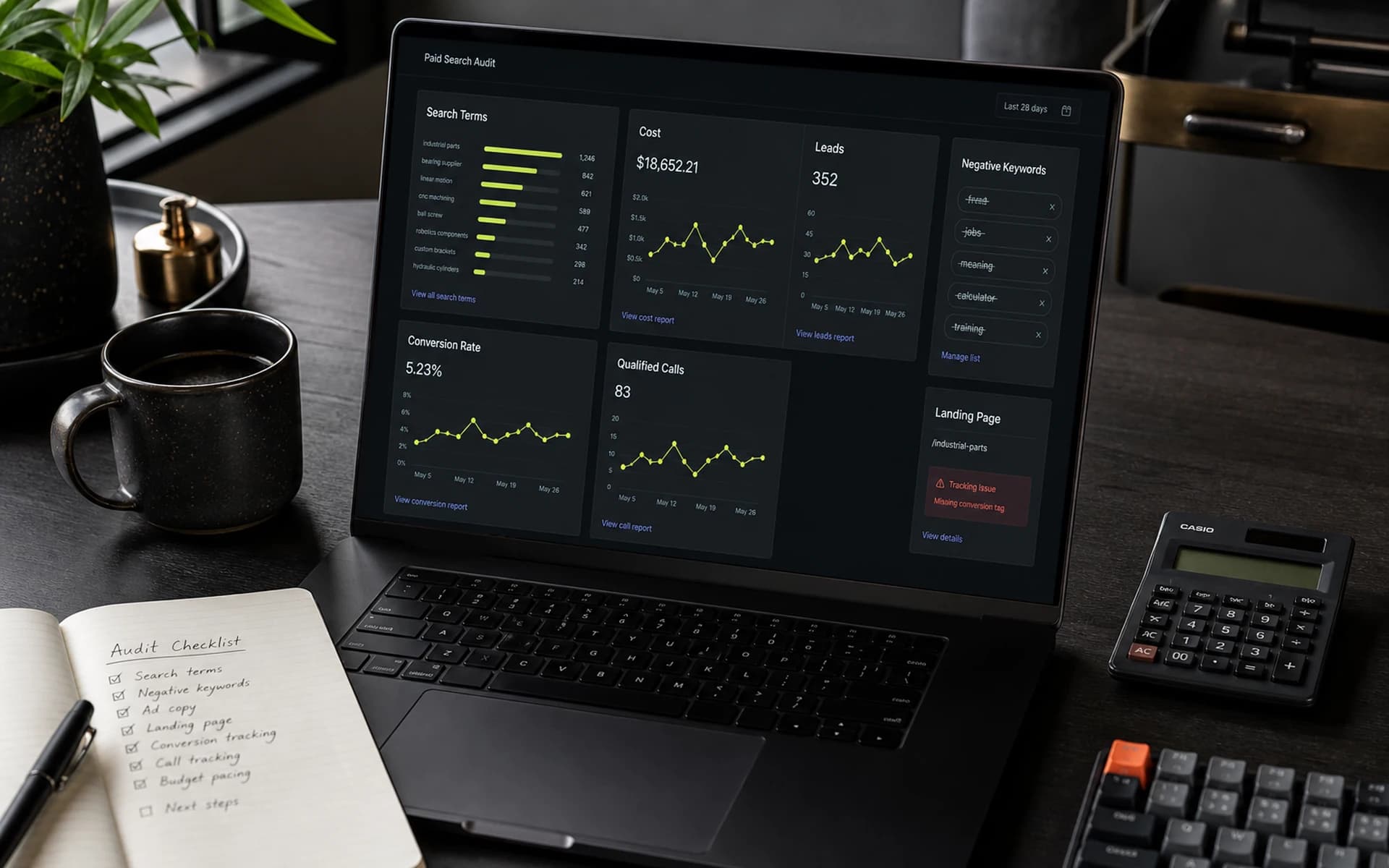
The biggest Google Ads mistakes we see in audits and the operating model that fixes wasted spend.
Read google ads guide →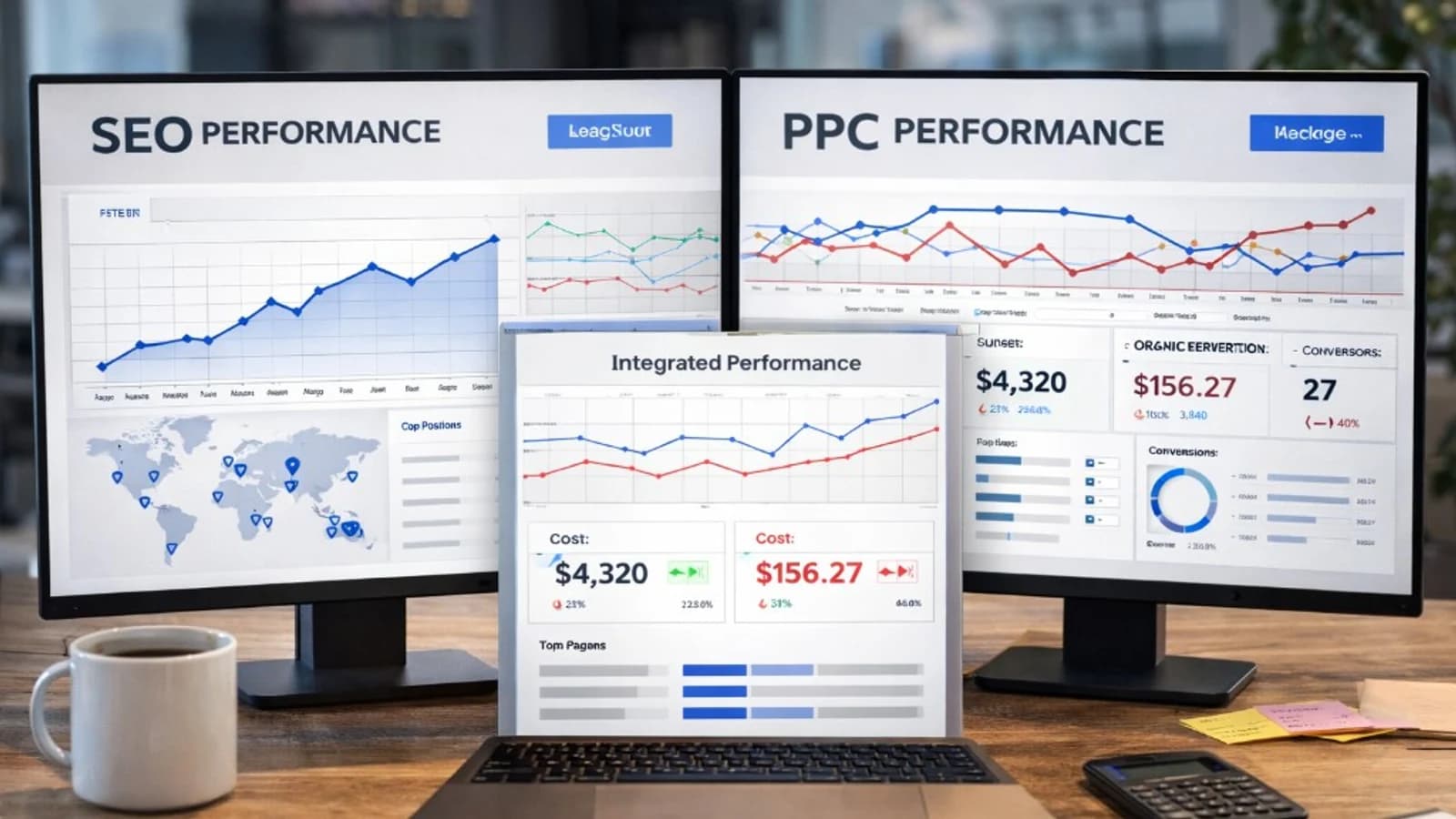
Why most paid campaigns underperform until landing pages match buyer intent and reduce friction.
Read website & cro guide →
The real data on response-time and conversion — why the 42-hour average is costing you jobs, and what the fastest-responding teams do differently.
Read lead response automation guide →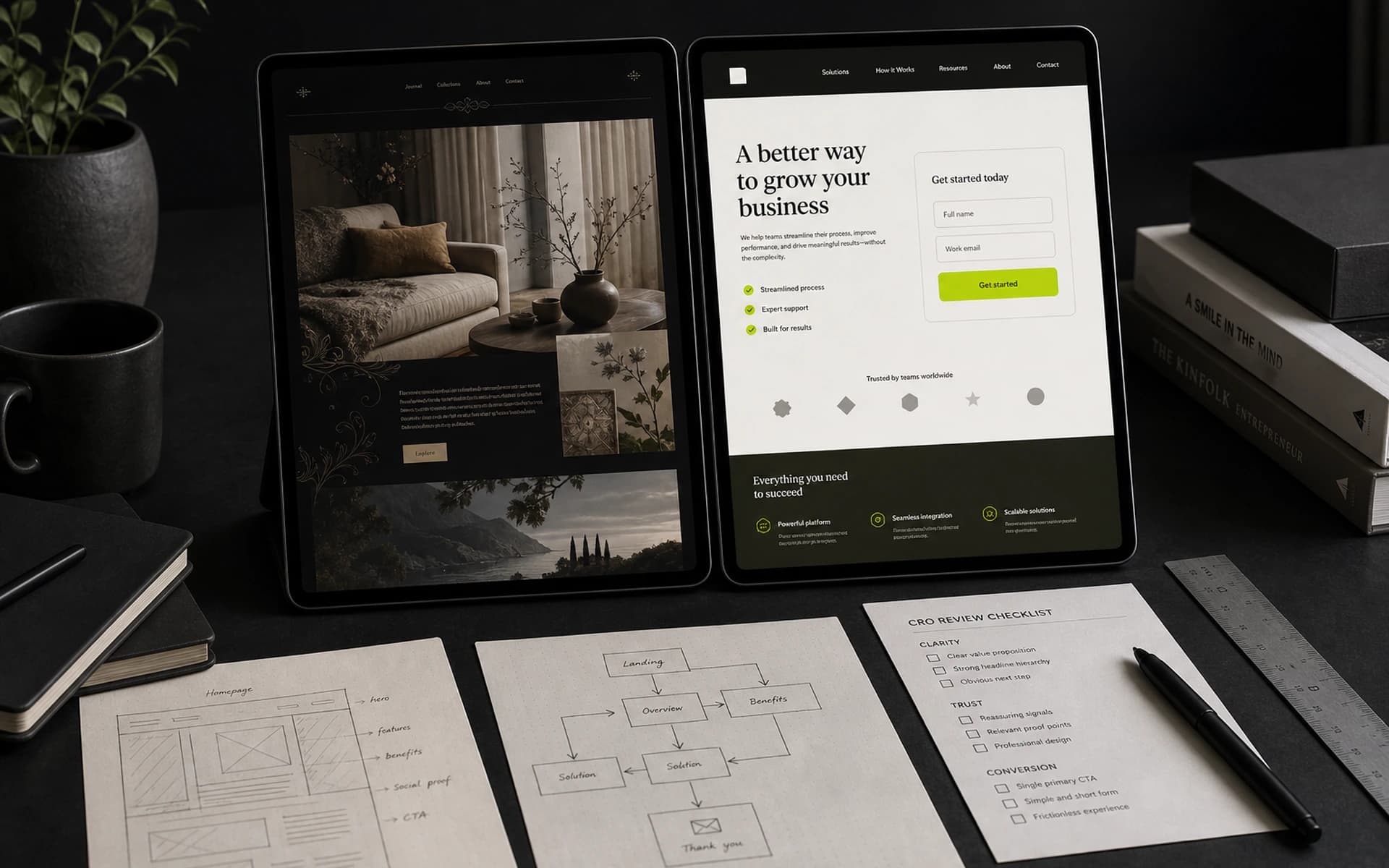
Design quality matters, but conversion architecture determines whether your site actually drives revenue.
Read website & cro guide →
How to move from campaign experiments to a repeatable lead engine your team can scale confidently.
Read strategy & growth guide →Evaluate whether City of Seattle identity is clear, whether ads and pages stay honest about actual radius, whether offers match capacity and retention goals, whether intake confirms location and service fit, and whether booked—or retained—outcomes are measured separately from raw metro inquiries—without treating Bellevue, Tacoma, King County, or Puget Sound as automatic coverage.