
META ADS CASE STUDY
Cleaning Company —Meta Ads Growth Systemfor Recurring Cleaning Plans
We shifted paid social away from one-time promotions and built the acquisition system around recurring cleaning plans.
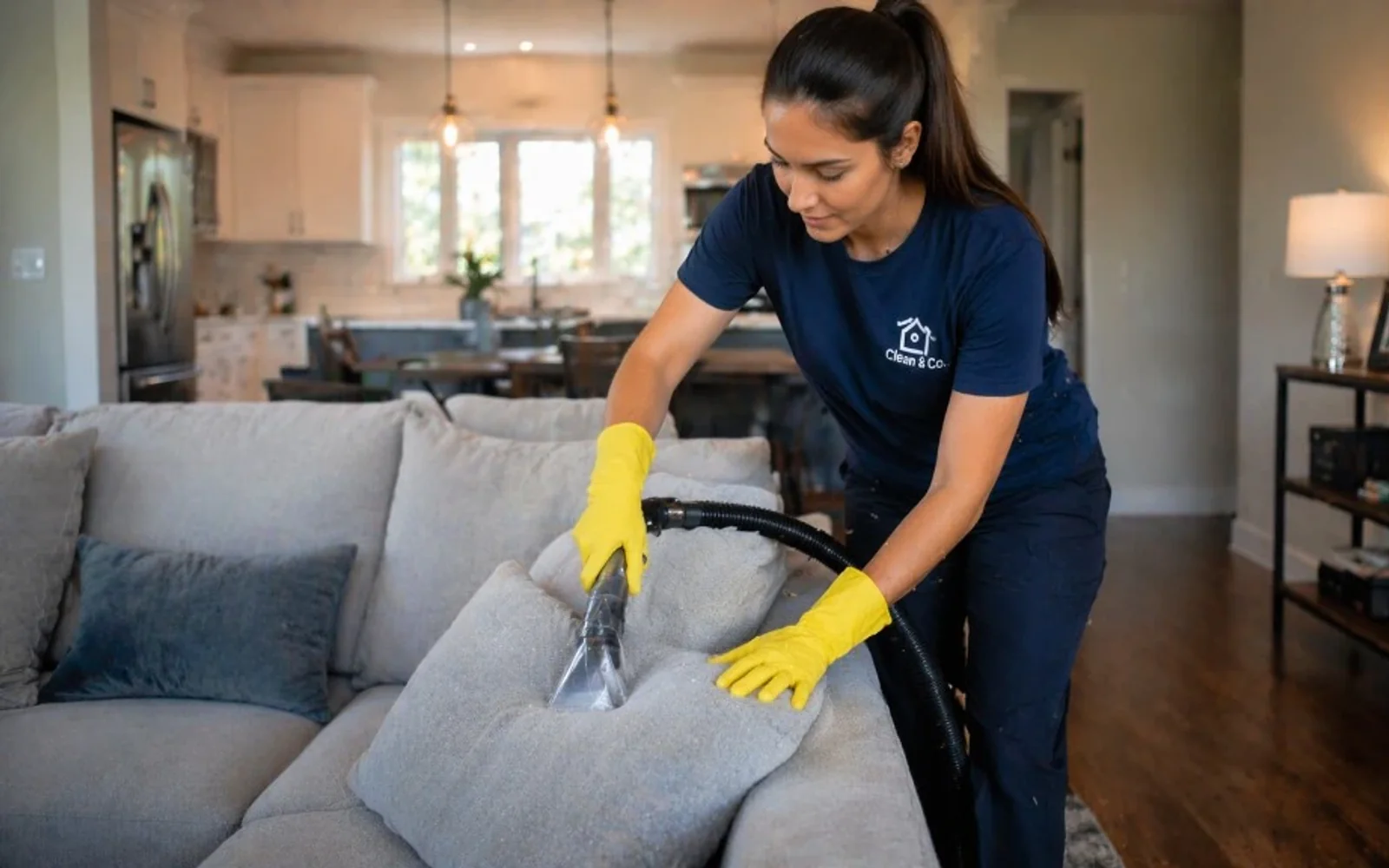
Growth timeline
Before campaign → optimization system → after campaign
Metrics compare the pre-engagement baseline with the final measured period of the 8-week engagement (period averages).
- Before Campaign31 LeadsSystemMeta Ads Growth SystemAfter Campaign63 Leads+103%
- BeforeCPA $61SystemCreative Testing + Offer OptimizationAfter$34-44%
- BeforeRetention 58%SystemFollow-up SystemAfter72%+14 pts
Metrics compare the pre-engagement baseline with the final measured period of the 8-week engagement (period averages). Figures are engagement-period comparisons from client reporting—not guarantees of identical outcomes for every cleaning company.
Business context
THE BUSINESS DIDN'T NEED MORE ONE-TIME CLEANS. IT NEEDED MORE RECURRING CUSTOMERS.
This Seattle-area residential cleaning company already had demand—but too much paid traffic converted into one-time or discounted cleans.
That limited customer value, weakened acquisition economics, and forced the team to keep replacing churned customers with new demand.
The real opportunity was not simply more leads. It was attracting customers more likely to become recurring cleaning clients.
Growth friction
The growth problem
Three friction points in the previous system prevented predictable, scalable growth.
- 01
AD TRAFFIC
The friction
Paid traffic was optimized for immediate bookings, not recurring customers.
The impact
- High dependence on new traffic.
- Lower customer lifetime value.
- 02
LANDING PAGE
The friction
Landing pages did not clearly communicate recurring-plan benefits and value.
The impact
- Low conversion into recurring plans.
- Prospects chose one-time services.
- 03
CUSTOMER VALUE
The friction
Messaging focused on discounts instead of long-term value and reliability.
The impact
- Price-based decisions increased.
- Retention stayed lower.
System impact
- Unpredictable Acquisition
- Low Conversion to Plans
- Weak Retention & Lifetime Value
The system produced activity, but not sustainable business growth.
Diagnostic board
What we diagnosed
Before changing creative or budgets, we analyzed the full acquisition system to understand what was limiting predictable growth.
ACQUISITION
Campaigns optimized for one-time cleans, driving short-term volume.
Impact
High dependence on new traffic and rising acquisition cost.
OFFER
Value proposition did not clearly communicate the benefits of recurring plans.
Impact
Prospects chose one-time packages over long-term plans.
CONVERSION
Landing page and booking flow created friction for recurring plan signups.
Impact
Lower conversion rate into recurring customers.
RETENTION
Follow-up and onboarding did not reinforce ongoing customer value.
Impact
Weak early retention and higher churn from the start.
The growth bottleneck wasn't in the budget. It was in the system.
- Higher CACLess efficient spend
- Lower LTVWeaker customer value
- Unpredictable GrowthNo long-term momentum
Strategy canvas
Offer & creative
strategy
We rebuilt the paid social system around recurring-plan economics—offer, creative, landing clarity, and retention-aware messaging working together.
Attract customers who are more likely to stay on a recurring plan—not just convert the cheapest first clean.
“Book a Cleaning”
- One-time transaction
- Low retention
- Price-driven demand
“Build a Reliable Cleaning Routine”
- Recurring customer relationship
- Higher LTV
- Trust-based acquisition
- REAL CREWS
- REAL HOMES
- RECURRING VALUE
Strategic pillars
Creative built around real service trust
Lead with real crews, real homes, before/after context, and consistency—not generic stock promotions.
Why it matters
Recurring cleaning is a trust purchase; discount-only creative under-sells the relationship.
Landing-page clarity
Explain recurring options, value, frequency, and booking expectations clearly on-page.
Why it matters
Ambiguous plan presentation leaves one-time booking as the path of least resistance.
Retention-aware acquisition
Optimize messaging around customers likely to stay—not only the cheapest initial lead.
Why it matters
Lower CPA on churny one-time demand can still destroy growth economics.
Acquisition journey
Acquisition journey
The funnel was designed as one path from paid social interest to a retained recurring customer—not a stack of disconnected ads and forms.
- 01Meta AdRecurring-plan offer and trust-led creative
- 02Landing pagePlan comparison and clear booking path
- 03Booking / trialFirst clean or plan signup start
- 04Follow-upSMS nurture for trials and incomplete bookings
- 05Recurring planOngoing weekly or bi-weekly service
- 0690-day retainedCustomer still active after three monthsRetention milestone
System objectiveTurn paid social demand into recurring customer value—not simply more first-time bookings.
Campaign stack
Funnel implementation
Execution spanned Meta campaign structure, creative testing, landing-page plan clarity, and follow-up for trials—aligned to recurring-plan conversion.
- ACQUISITION
Meta Ads
- Recurring-plan campaign structure
- Offer rotation by weekday
- Retargeting for incomplete bookings and plan interest
Business effect
Paid social spend oriented toward recurring-plan demand instead of promo-only volume.
- MESSAGE
Creative
- UGC-style creative from real crews
- Testimonial-led concepts
- Offer variants focused on recurring reliability
Business effect
Ads communicated trust and consistency rather than discount-only cleaning visits.
- CONVERSION
Landing page
- Plan comparison module
- Clearer recurring value and frequency messaging
- Stronger booking flow for plan inquiries
- Guarantee callout supporting plan confidence
Business effect
Prospects could choose an ongoing plan with clearer expectations before booking.
- RETENTION
Follow-up
- SMS nurture for trials and incomplete bookings
- Retention-oriented messaging after the first clean
Business effect
More trial and incomplete journeys recovered into recurring plans.
Evidence board
Verified assets
Client screenshots and reporting assets are added here once verified and approved.
No fabricated Ads Manager dashboards or performance visuals.
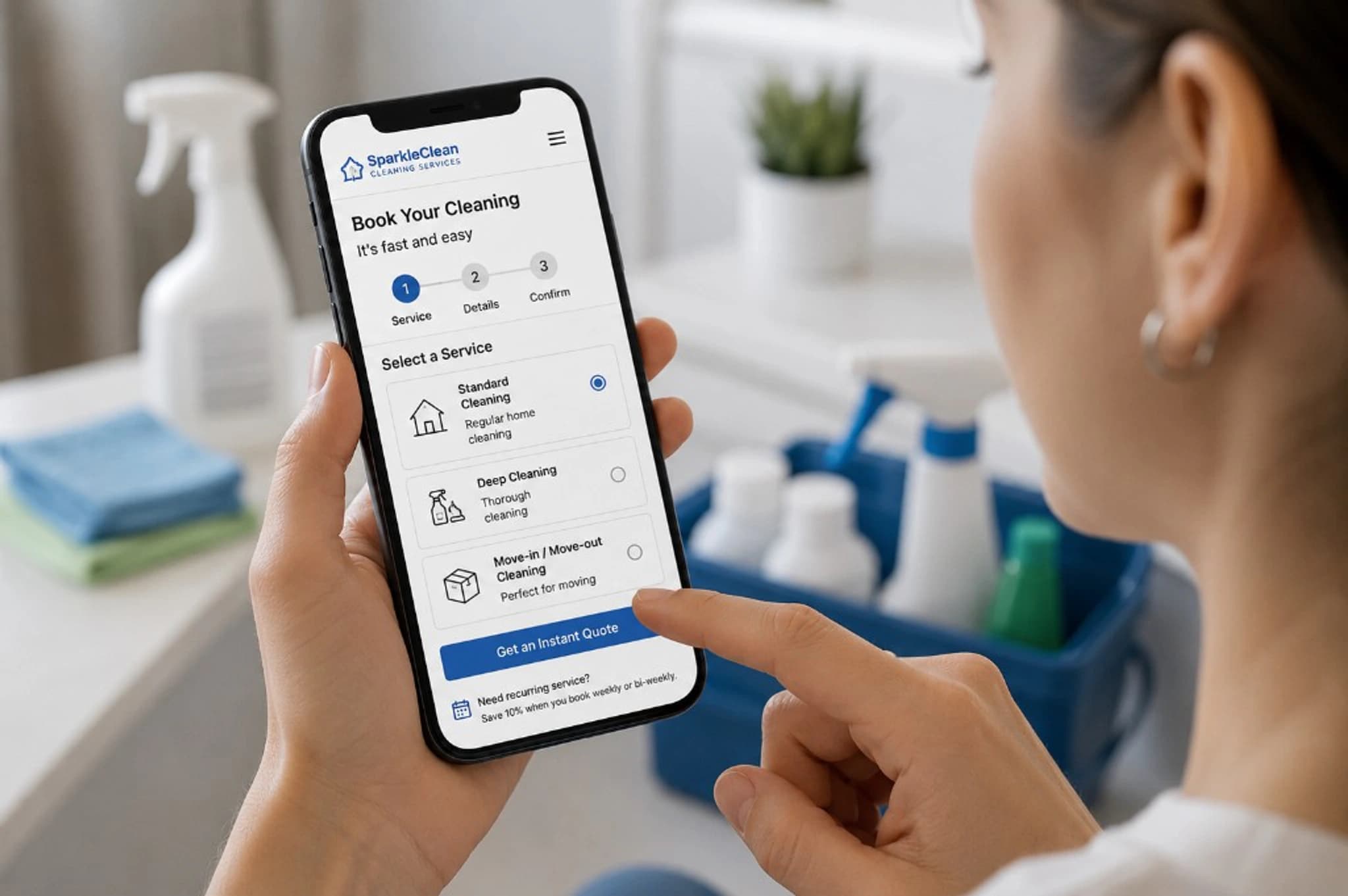
Meta creative examples
Six illustrative recurring-plan concepts covering offer, trust, convenience, consistency, and retention-oriented messaging.
Illustrative concepts — not original client campaign assets.
 Editorial context
Recurring-plan landing page
plan comparison and booking path.
Asset pending approvalCampaign / CPA trend
CPA movement over the 8-week engagement ($61 → $34).
Asset pending approvalRecurring lead trend
recurring leads over the engagement (31 → 63).
Asset pending approval90-day retention comparison
retention before/after (58% → 72%).
Asset pending approval
Retargeting / funnel workflow
retargeting and SMS nurture path for trials.
Results story
What changed in 8 weeks
In the measured period, recurring leads increased from 31 to 63 (+103%), CPA decreased from $61 to $34 (−44%), and 90-day retention improved from 58% to 72% (+14 pts).
Recurring leads
CPA
90d retention
MORERECURRING CUSTOMERS.LOWERACQUISITION COST.BETTEREARLY RETENTION.

More recurring customers, at lower acquisition cost, with better early retention.
The acquisition system generated more recurring-plan demand while reducing acquisition cost and improving early retention. The improvement was not simply higher lead volume—the customer mix became more valuable.
Customer mixMore recurring value
These figures are engagement-period comparisons from client reporting. They describe association with the work completed during the engagement, not a guarantee of identical outcomes for every cleaning company.
Principles
What this engagement proved
Growth improved when offer, creative, and follow-up treated recurring value as the primary acquisition goal.
The offer matched the desired customer behavior
Recurring plans were positioned from the beginning rather than introduced after a one-time promotion.
Prospects entered the funnel already oriented toward ongoing service.
Creative sold trust and consistency
The ads communicated the experience of an ongoing cleaning relationship, not just a discounted cleaning visit.
Paid social competed on reliability instead of promo price alone.
Acquisition and retention were treated as one system
The funnel was designed around customer quality and staying power—not only initial conversion.
Lower CPA and higher 90-day retention moved together as the mix improved.
Service index
Services used
The paid acquisition, creative, and conversion systems behind this recurring-plan growth strategy.
- 01Paid acquisitionMeta AdsBuilt the recurring-plan campaign structure, offer rotation, and retargeting system that improved lead quality and acquisition efficiency.Explore
- 02ConversionWebsite Design & Landing PagesClarified recurring-plan value, plan comparison, and the booking journey so prospects could choose ongoing service with confidence.Explore
- 03StrategyStrategy & ConsultingDiagnosed the one-time versus recurring customer mix before rebuilding the offer, creative direction, and funnel priorities.Explore
More proof
Related case studies
See how different acquisition systems were applied across service businesses and customer journeys.
- Med SpaConsultation Bookings
at Scale on MetaOutcomeBooked treatments and higher-quality inquiries. - HVAC CompanyHigh-Intent Google Ads
for AC Replacement & RepairOutcomeHigh-intent demand for replacement and repair. - Plumbing CompanyEmergency Google Ads
for Booked Service CallsOutcomeBooked emergency plumbing service calls.
Next step
Turn paid traffic intoCustomers who stay.
We’ll review how your offer, paid acquisition, landing page, and follow-up work together — and identify where stronger customer quality and more profitable growth may be getting lost.
Not just more leads. A stronger acquisition system.
Strategy-firstAcquisitionConversionRetention